
Rehabilitation plays a vital role in helping individuals recover from injuries, chronic pain, and musculoskeletal conditions. Traditional methods often involve medication, physical therapy, or, in severe cases, surgery. While these approaches can be effective, they may also bring side effects, long recovery times, or limited results. Today, more patients and healthcare providers in Adelaide are turning to Shockwave Therapy, a non-invasive, innovative treatment that supports faster healing and long-term recovery.
What Is Shockwave Therapy?
Shockwave Therapy is a treatment that uses acoustic sound waves to stimulate the body’s natural healing process. Originally developed to break down kidney stones, it is now widely applied in physical rehabilitation, sports medicine, and orthopedics.
The therapy works by delivering focused shockwaves to injured or painful areas of the body. These pulses encourage increased blood circulation, tissue regeneration, and the breakdown of scar tissue or calcium deposits. Unlike treatments that only mask pain, Shockwave Therapy targets the root cause of musculoskeletal issues, offering lasting improvements.
Why Shockwave Therapy Is a Modern Solution
What makes Shockwave Therapy stand out in rehabilitation in Adelaide is its ability to deliver effective results without invasive procedures or long-term drug use. Many traditional rehabilitation methods require months of recovery or rely on pain medications that carry potential side effects. Shockwave Therapy, on the other hand, accelerates the body’s natural repair mechanisms, reducing reliance on external interventions.
Key advantages include:
Non-invasive treatment: No surgery or injections required.
Drug-free approach: Eliminates dependence on painkillers.
Faster recovery times: Patients often see improvement within a few sessions.
Long-term benefits: Encourages tissue repair for sustainable healing.
These benefits make Shockwave Therapy particularly appealing for athletes, active individuals, and those recovering from chronic conditions.
How Shockwave Therapy Supports Rehabilitation
Rehabilitation focuses on restoring strength, mobility, and function after an injury or medical condition. Shockwave Therapy contributes to these goals by:
Stimulating Healing at the Cellular Level
Shockwaves create controlled microtrauma in the tissue, prompting the body to release growth factors and repair cells. It enhances collagen production, which is remarkably essential for rebuilding strong and flexible muscles, tendons, and ligaments.
Improving Blood Flow
By encouraging new blood vessel formation, Shockwave Therapy ensures that oxygen and nutrients successfully reach damaged tissues more effectively. Better circulation speeds up recovery and reduces stiffness.
Breaking Down Scar Tissue and Calcifications
Scar tissue and calcium build-up often significantly hinder mobility and cause chronic pain. Shockwave Therapy helps break these down, allowing for smoother, pain-free movement.
Reducing Pain and Inflammation
The treatment not only improves tissue health but also desensitises pain receptors, providing natural pain relief. It is especially beneficial for patients seeking alternatives to long-term medication.
Conditions Treated With Shockwave Therapy
Shockwave Therapy has become a trusted part of rehabilitation programs worldwide. It is particularly effective in addressing:
Tendonitis (such as Achilles or rotator cuff injuries)
Plantar fasciitis and heel pain
Muscle strains and chronic tightness
Shoulder, knee, and hip injuries
Tennis elbow and golfer’s elbow
Stress-related musculoskeletal pain
Its versatility makes it a go-to treatment for both acute sports injuries and long-standing conditions that have resisted conventional rehabilitation methods.
What Patients Can Expect
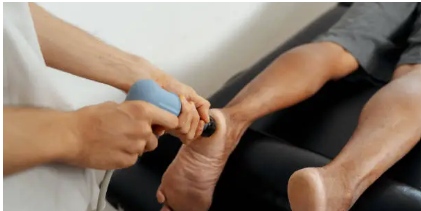
A typical Shockwave Therapy session lasts 15–30 minutes. A gel is applied to the affected area to help transmit shockwaves, and a handheld device delivers the acoustic pulses. Patients may experience mild discomfort during treatment, but it is generally well-tolerated and far less invasive than surgical options.
Most rehabilitation programs recommend between three to six sessions, depending on the condition. Some patients report noticeable relief after just one or two treatments, with continuous improvement over the following weeks. Importantly, there is little to no downtime so that individuals can resume light activities immediately.
The Role of Shockwave Therapy in Modern Rehabilitation
Rehabilitation is no longer limited to passive recovery and pain management. With advanced technologies like Shockwave Therapy, patients now have access to active, targeted treatments that support quicker and more complete healing. By successfully addressing the underlying causes of musculoskeletal pain, Shockwave Therapy empowers individuals to regain mobility, reduce downtime, and return to their daily routines or athletic pursuits with greater confidence.
Conclusion
In Adelaide’s fast-paced world, effective and efficient rehabilitation methods are more important than ever. Shockwave Therapy represents a modern approach to recovery—non-invasive, drug-free, and proven to accelerate healing. By stimulating natural repair processes, improving circulation, and reducing pain, it offers lasting benefits for individuals recovering from injuries or chronic conditions.
For athletes, active individuals, or anyone in Adelaide seeking an effective alternative to medication or surgery, Shockwave Therapy provides a safe and innovative path to rehabilitation.