
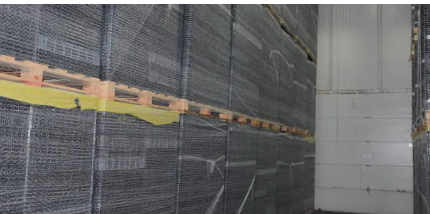
Stockinette Bags Storage Guide Australia is essential reading for farmers, warehouse operators, and food producers who rely on protective packaging throughout the supply chain. In Australia’s varied climate—ranging from humid coastal regions to dry inland zones—proper handling and storage can significantly extend the lifespan and usability of adjustable pallet freezer spacers.
Whether used for agricultural produce, meat processing, or industrial wrapping, incorrect storage can lead to contamination, fibre degradation, and financial loss. This guide outlines practical, climate-aware strategies tailored to Australian conditions.
Understanding how environmental factors affect stockinette bags is the first step toward maintaining product integrity. Temperature fluctuations, humidity exposure, and pest risks all play a role in determining storage quality.
Understanding the Role of Stockinette Bags in Australian Industries
In Australia, stockinette materials are widely used in agriculture, particularly in meat processing facilities, fruit packing houses, and export logistics hubs. These bags are valued for their breathable yet protective structure, which allows airflow while preventing physical damage.
However, improper storage can quickly reduce their effectiveness. Dust accumulation, moisture absorption, and UV exposure can weaken fibres. This is why facilities across regions such as Queensland, New South Wales, and Victoria implement strict storage protocols for stockinette bags to maintain hygiene and durability.
Climate Considerations for Storage Across Australia
Australia’s climate diversity makes storage planning critical:
● Northern Australia: High humidity increases the risk of mould growth
● Southern regions: Cooler temperatures reduce microbial risk but may cause condensation issues
● Inland areas: Dry air can lead to fibre brittleness if not stored properly
To counter these issues, storage facilities should use climate-controlled environments or, at a minimum, sealed, dry storage areas. Proper airflow management ensures stockinette bags remain in optimal condition regardless of season.
Best Practices for Storing Stockinette Bags
1. Use Sealed and Elevated Storage
Always store stockinette materials off the ground on pallets. This prevents exposure to potential water damage during flooding or cleaning procedures. Sealing them in protective wrapping also helps reduce dust contamination.
2. Maintain Stable Temperature and Humidity
Ideally, storage areas should remain below 25°C with humidity levels under 60%. Excess moisture is one of the fastest ways to degrade textile-based packaging.
3. Implement Pest Control Measures
Rodents and insects can easily damage stored materials. Regular fumigation and sealed storage containers help reduce the risk of infestation.
4. Avoid Direct Sunlight Exposure
UV rays can weaken synthetic fibres over time. Even indirect exposure near warehouse doors should be minimised.
These foundational steps are essential for preserving stockinette bags in both small-scale and industrial storage environments.
Warehouse Organisation and Rotation Systems
Efficient warehouse management plays a major role in preserving stock quality. Implementing a “first in, first out” (FIFO) system ensures older stock is used before newer batches, reducing the risk of material degradation over time.
Labelling storage batches by arrival date and usage type also improves traceability. In large Australian distribution centres, this system helps maintain consistency across supply chains, particularly in export-oriented industries.
At this stage, many logistics managers report that improper rotation is a leading cause of material waste in packaging supplies, such as stockinette bags, especially when inventory turnover is irregular.
Cleaning and Maintenance of Storage Areas
Even if stockinette materials are stored correctly, the environment itself must be maintained:
● Sweep and vacuum regularly to remove dust buildup
● Inspect for leaks in roofing or plumbing systems
● Ensure ventilation systems are free from blockage
● Conduct monthly pest inspections
A clean storage environment directly extends the usability of textile-based packaging materials and ensures compliance with Australian food safety and export standards.
Transport and Handling Before Storage
Damage often occurs before storage even begins. During transport, stockinette materials should be:
● Wrapped securely in moisture-resistant packaging
● Protected from sharp objects or heavy compression
● Loaded in clean, dry vehicles
Once delivered, immediate transfer to proper storage conditions is essential. Delays in unloading can expose materials to heat and humidity, particularly in northern Australian ports.
Common Storage Mistakes to Avoid
Many facilities unintentionally reduce the lifespan of their packaging materials through avoidable errors:
● Storing directly on concrete floors
● Mixing used and unused stock
● Ignoring humidity fluctuations
● Overstacking heavy pallets
Each of these issues can compromise the structural integrity of stockinette bags, leading to reduced performance during actual use.
Technology and Monitoring Solutions
Modern warehouses in Australia are increasingly adopting smart monitoring systems. These include:
● Digital humidity sensors
● Temperature tracking dashboards
● Automated pest detection systems
Such technologies help ensure real-time monitoring of storage conditions, reducing manual oversight errors and improving long-term preservation outcomes.
By integrating these systems, businesses handling stockinette bags can significantly reduce waste and improve operational efficiency.
Conclusion
Proper storage of stockinette materials is not just a warehouse concern—it is a critical factor in maintaining product quality, safety, and cost efficiency across Australian industries. From climate control to pest management and inventory rotation, every step contributes to extending the lifespan and usability of these essential packaging materials.
Businesses that invest in structured storage systems and environmental monitoring will consistently achieve better outcomes, reduce losses, and ensure that their stockinette bags remain in optimal condition for agricultural, industrial, and export use.