
Silage plastic plays a crucial role in Australia’s agricultural sector, particularly in the preservation of animal feed. As farming practices evolve, the importance of using high-quality silage plastic to ensure feed quality, minimise wastage, and improve livestock productivity becomes increasingly evident. This article will explore the significance of silage plastic in Australia, its benefits, and critical considerations for farmers. For more information about NetWrap silage plastic, click here.
What is Silage Plastic?
 Silage plastic is a specialised type of plastic film used to wrap or cover silage—fermented, high-moisture fodder stored for feeding livestock. The primary function of silage plastic is to create an airtight seal around the hay, preventing oxygen from entering and causing spoilage. It ensures that the feed remains fresh and retains its nutritional value throughout the storage period.
In Australia, where weather conditions can vary significantly, from intense heat to heavy rainfall, the use of silage plastic is essential for protecting feed. It helps farmers maintain a consistent supply of high-quality hay, which is vital for the health and productivity of their livestock.
Benefits of Using Silage Plastic
Preservation of Nutrients
One of the most significant advantages of using silage plastic is the preservation of nutrients in the fodder. By creating an anaerobic environment, silage plastic prevents the growth of moulds and bacteria that can degrade the feed’s nutritional content. It ensures that livestock receive the maximum nutritional benefits from the hay, leading to better health and higher productivity.
Reduction of Feed Wastage
Silage plastic helps minimise feed wastage by protecting the hay from external elements such as rain, wind, and pests. Without proper protection, silage can spoil quickly, leading to significant losses for farmers. By using high-quality silage plastic, farmers can reduce wastage and save on feed costs. s
Improved Silage Quality
Silage plastic plays a critical role in ensuring the quality of the stored silage. It helps maintain the correct moisture levels, which is essential for the fermentation process. Properly fermented silage is more palatable for livestock and more accessible to digest, contributing to better overall animal health.
Versatility and Ease of Use
Modern silage plastics are designed to be versatile and easy to use. They are available in various sizes and thicknesses, allowing farmers to choose the right product for their specific needs. Additionally, silage plastic is durable and resistant to tearing, ensuring long-lasting protection for the feed.
Types of Silage Plastic Available in Australia
In Australia, farmers have access to a wide range of silage plastic products, each designed to meet specific needs. The most common types include:
Silage Wrap
Silage wrap is a stretchable plastic film used to wrap bales of hay. It provides an airtight seal that prevents oxygen from entering the bale, ensuring the preservation of the feed. Silage wrap is typically used in conjunction with a baler machine, which compresses the fodder into tight bales before wrapping.
Silage Sheets
Silage sheets are large plastic covers used to protect silage piles or pits. They are spread over the top of the hay and secured at the edges to create a sealed environment. Silage sheets are ideal for larger-scale operations where hay is stored in bulk.
Oxygen Barrier Films
Oxygen barrier films are a more advanced type of silage plastic that offers superior protection against oxygen infiltration. These films are often used in conjunction with traditional silage plastic to provide an extra layer of protection, ensuring the highest quality hay.
Underlay Films
Underlay films are placed beneath the hay to provide additional protection from moisture and pests. They are instrumental in regions with high rainfall or where the risk of ground moisture seeping into the hay is a concern.
Conclusion:
Silage plastic is an indispensable tool for Australian farmers, helping to preserve feed quality, reduce wastage, and improve livestock productivity. By understanding the different types of silage plastic available and considering key factors such as thickness, UV resistance, and environmental impact, farmers can make informed decisions that benefit both their operations and the environment.
In the dynamic and challenging landscape of Australian agriculture, investing in high-quality silage plastic is a step toward ensuring the long-term sustainability and success of farming operations.
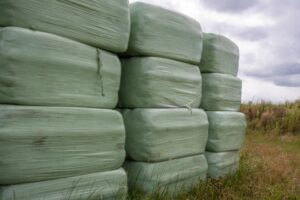 A quality silage wrap film offers great moisture control and excellent damage resistance, allowing you to preserve the nutritional value of your crops. It also helps to prevent unwanted fermentation processes and extends the life of your bales. This results in less waste and a lower cost for you.