Categories
Uncategorized

Laser Eye Surgery in Adelaide’ Cost, Clinics, and What Patients Should Expect in 2026

In Adelaide, demand has steadily increased as technology improves and procedures become safer, faster, and more precise. Choosing laser eye surgery is a major medical decision for people seeking long-term vision correction without glasses or contact lenses. Patients today are not only asking about cost but also about eligibility, recovery timelines, and the differences between modern procedures such as LASIK, PRK, and SMILE.

This guide breaks down what you need to know if you are considering vision correction in Adelaide, including how clinics operate, what outcomes to expect, and how to evaluate whether you are a suitable candidate.

Understanding Modern Laser Vision Correction Options

Laser vision correction is not a single procedure but a group of techniques designed to reshape the cornea so that light focuses correctly on the retina. The most common options include:

● LASIK (Laser-Assisted In Situ Keratomileusis) – the most widely performed method, known for fast recovery and minimal discomfort

● PRK (Photorefractive Keratectomy) – an older but still reliable method, often recommended for patients with thinner corneas

● SMILE (Small Incision Lenticule Extraction) – a newer, minimally invasive technique with reduced dry-eye risk

In Adelaide, clinics typically assess multiple factors before recommending a procedure, including corneal thickness, prescription stability, and overall eye health. While many patients are drawn to LASIK due to its quick recovery, not everyone is a suitable candidate. This is why a detailed pre-operative screening is essential.

Eligibility and Pre-Surgery Assessment in Adelaide

Before proceeding with laser eye surgery, patients in Adelaide undergo a comprehensive diagnostic evaluation. This assessment determines whether the cornea can safely tolerate reshaping and whether long-term vision correction outcomes are likely to be stable.

Key eligibility criteria typically include:

● Stable vision prescription for at least 12 months

● Adequate corneal thickness

● No active eye infections or severe dry-eye syndrome

● Absence of certain autoimmune conditions

Clinics also evaluate lifestyle factors. For example, individuals in high-contact sports or dusty work environments may be advised toward PRK instead of LASIK due to its structural advantages. Advanced diagnostic imaging tools, such as corneal topography and wavefront analysis, are standard in Adelaide-based eye clinics, helping surgeons create highly customised treatment plans.

Cost Factors and What Patients Should Expect

The cost of vision correction in Adelaide varies depending on the technology used, the surgeon’s experience, and the inclusions for aftercare. On average, patients can expect a range that reflects both the complexity of the procedure and the equipment used.

Several factors influence pricing:

● Type of procedure (LASIK, PRK, or SMILE)

● Level of technology used (bladeless or femtosecond laser systems)

● Pre-operative testing and follow-up consultations

● Surgeon expertise and clinic reputation

While cost is an important consideration, patients are encouraged to evaluate long-term value rather than upfront price alone. Reduced dependence on glasses or contact lenses can offset costs over time. Financing plans are also commonly available in Adelaide clinics to make procedures more accessible.

At this stage of decision-making, many patients revisit the question of whether laser eye surgery is worth it compared to ongoing optical expenses. For most suitable candidates, the long-term benefits—improved convenience, greater lifestyle freedom, and clearer visual clarity—often outweigh the initial costs.

Recovery Timeline and Post-Operative Care

Recovery experiences vary depending on the procedure chosen. LASIK patients typically notice improved vision within 24–48 hours, whereas PRK patients may experience visual fluctuations for several days before stabilising. SMILE recovery tends to fall between these two extremes.

Post-operative care generally includes:

● Prescription eye drops to prevent infection and inflammation

● Temporary avoidance of swimming, dust exposure, and heavy exercise

● Follow-up visits within the first week and first month

Patients are also advised to avoid screen overuse during early recovery to reduce eye strain. In Adelaide’s dry climate, managing post-surgical dryness is a common focus, and lubricating eye drops are frequently recommended.

Long-term outcomes are generally stable, especially when patients maintain regular eye check-ups and closely follow the surgeon’s guidance.

Choosing the Right Clinic in Adelaide

Selecting the right provider is one of the most important steps in the entire process. In Adelaide, reputable clinics typically emphasise transparency, advanced diagnostic tools, and experienced ophthalmic surgeons.

Key factors to evaluate include:

● Surgeon qualifications and surgical volume

● Technology used (e.g., femtosecond laser systems)

● Clarity of pricing and inclusions

● Patient reviews and clinical outcomes

Consultations are usually obligation-free, allowing patients to compare recommendations before committing. A trustworthy clinic will also provide honest guidance if you are not an ideal candidate for surgery.

At this stage, patients often reassess whether laser eye surgery aligns with their lifestyle goals and medical suitability, ensuring they make a fully informed decision.

Final Thoughts

For many individuals in Adelaide considering vision correction, modern laser procedures offer a safe and effective alternative to lifelong dependency on corrective lenses. With advanced technology, improved surgical precision, and structured aftercare systems, outcomes continue to improve year after year.

However, success depends heavily on proper screening, realistic expectations, and selecting a qualified provider. Anyone considering laser eye surgery should prioritise a detailed consultation and ensure they fully understand the benefits and risks before proceeding.

With the right guidance, patients in Adelaide can achieve long-term visual clarity and significantly improved quality of life through carefully planned refractive surgery.


Categories
Agriculture

Silage Film Packing Guide for Australian Farms’ Best Practices for Bale Wrapping, Storage, and Feed Quality Control

Efficient forage preservation is critical for Australian livestock producers, especially in dairy and beef operations where seasonal variability affects feed supply. A properly executed bale wrapping system using silage film can significantly improve feed quality, reduce spoilage, and enhance overall farm productivity.

This silage film packing guide is designed specifically for Australian farming conditions, where heat, humidity, and long storage periods can challenge traditional silage methods. By understanding correct wrapping techniques, material selection, and storage practices, farmers can dramatically extend feed shelf life while minimising losses.

Understanding Silage Film and Its Role in Feed Preservation

Silage film is a multi-layer polyethylene stretch wrap used to seal forage bales in airtight conditions. Its primary function is to prevent oxygen ingress, which is the main cause of spoilage in stored silage. In Australia, where temperature fluctuations and UV exposure are significant, selecting the right film is not optional—it is essential.

High-quality silage film ensures:

● Anaerobic fermentation for optimal preservation

● Reduced mould and yeast growth

● Protection against UV degradation

● Improved palatability for livestock

Australian farms, particularly in New South Wales, Victoria, and Queensland, rely heavily on round bale silage systems, making film performance a critical input cost factor.

Step 1: Selecting the Right Silage Film for Australian Conditions

Choosing the correct silage film is the foundation of successful bale preservation. Not all films are created equal, and Australian environmental conditions demand higher durability standards.

Key selection factors include:

● UV resistance: Essential for long-term outdoor storage under intense sun exposure

● Stretch capacity: Typically 50–70% pre-stretch for optimal sealing

● Layer count: 5 to 7 layers offer better oxygen barrier protection

● Thickness: 25 microns is standard for most Australian applications

● Colour: White or green films help reduce heat absorption

Farmers should also consider compatibility with their wrapping machines to ensure consistent tension and overlap during application.

Step 2: Bale Preparation Before Wrapping

Before applying silage film, proper bale preparation is essential to prevent punctures and ensure airtight sealing.

Best practices include:

● Ensuring forage moisture is between 40%–60%

● Compacting bales tightly to remove excess air pockets

● Avoiding sharp stubble or debris on bale surfaces

● Wrapping within 2 hours of baling to preserve fermentation quality

In Australian grazing systems, delays between baling and wrapping often lead to dry matter losses. Rapid handling is particularly important during hot summer conditions.

Step 3: Correct Wrapping Techniques for Maximum Efficiency

Proper application of silage film is crucial, as many losses can occur if it is not done correctly. The goal is to create a fully sealed anaerobic environment.

Key wrapping guidelines:

● Apply a minimum of 6 layers for Australian outdoor storage

● Maintain 50% overlap between layers

● Keep consistent tension throughout the wrapping process

● Avoid wrapping in windy or excessively dusty conditions

● Ensure bale ends are fully covered, as these are high-risk oxygen entry points

Modern Australian farms often use automated bale wrappers, which improve consistency and reduce labour costs.

Step 4: Storage Practices for Australian Climate Conditions

Even with high-quality silage film, improper storage can compromise feed quality. Australian climates vary widely, so storage strategy matters.

Recommended practices:

● Store bales on well-drained, level ground

● Avoid direct contact with rocks or sharp surfaces

● Keep bales away from livestock movement zones

● Stack in a single layer when possible to reduce pressure damage

● Inspect regularly for punctures caused by birds or rodents

In coastal regions, high humidity increases the risk of fermentation imbalance, while inland farms must manage extreme heat exposure.

Step 5: Common Mistakes in Silage Film Packing

Many Australian producers experience silage losses due to avoidable errors. Understanding these can significantly improve outcomes.

Frequent issues include:

● Under-wrapping (insufficient film layers)

● Delayed wrapping after baling

● Poor overlap during application

● Using damaged or low-grade film

● Improper bale density leading to oxygen pockets

Each of these mistakes reduces the effectiveness of the silage film, increasing spoilage rates and feed costs.

Step 6: Maximising Feed Quality Through Proper Fermentation

The ultimate goal of using silage film is to achieve controlled fermentation. When oxygen is excluded, beneficial lactic acid bacteria thrive, preserving nutrients.

Signs of successful silage include:

● Sweet, slightly acidic smell

● Greenish-yellow colouration

● Soft but firm texture

● Minimal mould presence

Poor fermentation often results in dark colouration, foul odour, and reduced livestock intake.

Step 7: Environmental and Cost Considerations in Australia

Australian farmers are increasingly focused on sustainability. While silage film is a plastic product, advances in recycling programs are helping reduce environmental impact.

Key considerations:

● Use recyclable film where available

● Participate in agricultural plastic recovery programs

● Optimise wrapping efficiency to reduce excess material use

● Select high-performance film to reduce total consumption over time

Although premium films cost more upfront, they often reduce long-term feed wastage, making them more economical overall.

Conclusion

A well-executed silage system using high-quality silage film is essential for maintaining feed security across Australian livestock operations. From selecting the right film type to proper bale handling, wrapping technique, and storage practices, every step influences final feed quality.

By following this silage film packing guide, Australian farmers can reduce spoilage, improve nutrient retention, and maximise the value of their forage investment year-round.

Categories
Health News

Physio in Woodville’ Evidence-Based Physiotherapy Explained for Better Recovery Outcomes

Evidence-based practice has become the foundation of modern rehabilitation, and it is especially relevant for patients seeking physio in Woodville. In Woodville, South Australia, physio services are increasingly guided by scientific research, clinical expertise, and patient values to ensure that treatment is not only effective but also measurable in outcomes.

Rather than relying on tradition or guesswork, evidence-based physiotherapy integrates the best available research with hands-on clinical judgment and individual patient needs. This approach ensures that people recovering from injury, managing chronic pain, or improving mobility receive care that is both current and clinically validated. Understanding how this model works helps patients make informed decisions about their rehabilitation journey and sets clear expectations for progress, recovery timelines, and long-term health outcomes.

What Evidence-Based Physiotherapy Actually Means

Evidence-based physiotherapy is a structured clinical approach in which treatment decisions are grounded in three core pillars: high-quality research evidence, physiotherapist expertise, and patient preferences. In practical terms, this means a physiotherapist does not simply apply a generic exercise program. Instead, they evaluate scientific literature, assess the patient’s condition, and tailor interventions accordingly.

For example, someone recovering from a knee ligament injury in Woodville would not receive the same rehabilitation plan as another patient with chronic lower back pain, even if both are attending similar clinics. Treatment strategies may include manual therapy, strength conditioning, mobility training, and neuromuscular re-education—but each is selected based on evidence supporting its effectiveness for that specific condition.

This approach is important because physiotherapy research is constantly evolving. Techniques that were standard a decade ago may now be considered less effective compared to newer, more targeted interventions. Evidence-based practice ensures patients receive care that reflects current best standards rather than outdated methods.

Why It Matters for Patients in Woodville

Access to evidence-based care is particularly valuable for individuals seeking physio in Woodville because it ensures consistency, safety, and improved outcomes across a wide range of conditions. Whether patients are recovering from sports injuries, workplace strains, post-surgical rehabilitation, or age-related mobility decline, evidence-based treatment reduces the need for trial-and-error approaches.

One key benefit is improved recovery efficiency. Because interventions are selected based on proven effectiveness, patients are less likely to spend time on exercises or therapies that offer minimal benefit. This can shorten recovery time and reduce the risk of re-injury.

Another advantage is transparency. Patients are often involved in goal-setting and decision-making, which improves adherence to treatment plans. When individuals understand why specific exercises or techniques are recommended, they are more likely to remain consistent with their rehabilitation program.

How Clinicians Apply Evidence in Real Treatment Plans

In clinical practice, physiotherapists combine research evidence with practical experience to design individualised treatment programs. This is where the integration of science and real-world application becomes essential.

A patient attending physio in Woodville for shoulder pain, for instance, may undergo a structured assessment that evaluates range of motion, muscle strength, posture, and movement patterns. Based on the findings, the physiotherapist may implement a combination of resistance exercises, manual therapy, and movement retraining, supported by clinical studies.

Importantly, treatment is continuously evaluated and adjusted. Evidence-based physiotherapy is not static; it is a dynamic process. If a patient is not responding as expected, the clinician may reassess the diagnosis, modify the exercise intensity, or introduce alternative techniques supported by research.

Another critical component is outcome measurement. Tools such as pain scales, functional movement assessments, and performance tests help objectively track progress. This ensures that improvements are not just subjective but clinically measurable.

By combining structured assessment, ongoing evaluation, and research-backed interventions, physiotherapists in Woodville can deliver care that is both adaptive and highly targeted.

The Role of Patient Involvement in Evidence-Based Care

A defining feature of evidence-based physiotherapy is the active involvement of the patient in their recovery. Rather than being passive recipients of care, patients are encouraged to participate in decision-making, goal-setting, and self-management strategies.

In many cases, physiotherapists educate patients about the nature of their condition, expected recovery timelines, and the scientific rationale for each treatment choice. This educational component is crucial, especially for long-term rehabilitation. When patients understand the purpose of their exercises, they are more likely to perform them correctly and consistently outside of clinical sessions.

For individuals receiving physio in Woodville, this collaborative approach also helps align treatment with lifestyle needs. For example, someone with a physically demanding job may require a different rehabilitation strategy compared to someone with a sedentary lifestyle.

Tailoring treatment in this way ensures better functional outcomes and improved quality of life.

Furthermore, patient feedback is used to refine treatment plans. Pain response, fatigue levels, and functional improvements all inform ongoing adjustments, ensuring that care remains responsive and personalised.

Conclusion: The Future of Evidence-Based Physiotherapy in Woodville

Evidence-based physiotherapy represents a significant shift toward more precise, effective, and patient-centred rehabilitation. For those accessing physio in Woodville, this approach ensures that treatment is not only guided by the latest scientific research but also adapted to individual needs and real-world circumstances.

As research continues to evolve, physiotherapy practices will become even more refined, incorporating new technologies, advanced assessment tools, and improved rehabilitation protocols. However, the core principle will remain the same: combining the best available evidence with clinical expertise and patient participation.

Ultimately, evidence-based care empowers patients to take an active role in their recovery while ensuring that every intervention has a clear, research-supported purpose. This leads to better outcomes, reduced injury recurrence, and stronger long-term physical health for the Woodville community.

Categories
Car Maintenance

Mechanic Magill’ How to Find a Reliable Automotive Service Near You

If you’re searching for a dependable mechanic Magill, you’re not alone. Vehicle owners in Magill, SA, know the importance of having a trusted professional who can efficiently maintain, repair, and service their cars. With the busy streets of Magill and the surrounding Adelaide Hills, ensuring your vehicle is in top condition is critical for safety, performance, and long-term reliability. From routine maintenance to complex repairs, choosing the right mechanic can save you both time and money while giving you peace of mind on every journey.

When looking for a mechanic Magill, it’s essential to consider a few key factors. Reputation matters—word-of-mouth referrals and online reviews can provide insight into the quality of service a local mechanic offers. Additionally, certified mechanics with experience in a variety of vehicle brands tend to deliver more reliable results. Local workshops often understand the specific conditions in Magill and greater Adelaide, such as hilly terrain, stop-and-go traffic, and occasional wet weather, which can affect vehicle wear and tear differently than in other areas.

Key Services Offered by Mechanics in Magill

A reliable mechanic Magill typically provides a broad range of services tailored to the needs of local drivers. Standard services include:

● Logbook servicing: Ensuring your vehicle meets manufacturer requirements for warranty and longevity. Regular logbook servicing helps prevent minor issues from developing into major, costly repairs.

● Brake inspections and repairs: Critical for safety, especially on the hilly roads around Magill. A mechanic can check pads, discs, and fluid levels to ensure optimal braking performance.

● Engine diagnostics: Modern vehicles rely on complex electronics, making diagnostics essential for identifying hidden problems before they escalate.

● Air conditioning and cooling system maintenance: Important for comfort during Adelaide’s warmer months and for preventing engine overheating.

● Suspension and steering repairs: Ensuring smooth handling over the varied terrain in and around Magill is vital for driver safety and comfort.

Many local mechanics also offer roadside assistance and emergency repairs, making them invaluable for those unexpected situations on the road. Choosing a workshop that offers comprehensive services ensures that all your vehicle’s needs are covered under one roof, providing a one-stop solution for both minor maintenance and major repairs.

How to Choose the Right Mechanic in Magill

Selecting the right mechanic Magill requires a combination of research and personal judgment. Here are some tips to guide your decision:

1. Check Certifications and Experience: Look for mechanics with recognised industry certifications and experience with your specific vehicle type. Certified technicians are often up to date on the latest automotive technology and safety standards, which is especially important for modern cars with advanced electronics.

2. Read Customer Reviews: Online reviews and local recommendations provide insight into a mechanic’s reliability, honesty, and service quality. Magill locals often rely on trusted community feedback to find reputable workshops, helping you avoid costly mistakes.

3. Ask About Pricing and Transparency: A trustworthy mechanic provides clear estimates and communicates any additional costs before performing repairs. Avoid workshops that provide vague pricing or pressure you into unnecessary services.

4. Evaluate Customer Service: Friendly, professional, and responsive staff indicate a workshop that values customer satisfaction. A mechanic who explains repairs and maintenance clearly helps you make informed decisions and feel confident in the work being done.

5. Location and Convenience: Choosing a mechanic in Magill ensures quick access for regular servicing and emergency repairs, saving you time and minimising disruption to your daily routine. Proximity also makes it easier to build a long-term relationship with your mechanic.

Supporting Local Businesses in Magill

Opting for a mechanic Magill not only benefits your vehicle but also supports local businesses in the area. Magill is home to a tight-knit community, and local workshops contribute to the economy while offering personalised service you might not get from larger chains. Supporting a nearby mechanic helps maintain high service standards and strengthens the business’s relationship with the community.

Why Routine Maintenance Matters

Regular servicing by a skilled mechanic Magill prevents small issues from becoming major problems. For example, timely oil changes, brake checks, and tyre inspections can extend your vehicle’s lifespan, improve fuel efficiency, and enhance safety. Drivers in Magill who prioritise preventive maintenance often experience fewer breakdowns and lower overall repair costs.

By investing in routine maintenance and building a relationship with a trusted local mechanic, vehicle owners in Magill can enjoy smoother rides, reduced stress, and confidence that their car is ready for any journey.

Conclusion

Finding the right mechanic Magill is essential for keeping your vehicle safe, reliable, and efficient. By considering reputation, certifications, services offered, and customer feedback, you can choose a trusted professional who meets all your automotive needs. Supporting local mechanics not only ensures high-quality service but also strengthens the Magill community.

Whether you need routine maintenance, urgent repairs, or specialised diagnostics, a skilled mechanic in Magill can provide the expertise and care your vehicle deserves. Don’t wait for a problem to arise—build a relationship with a local mechanic today and enjoy peace of mind on every drive.

Categories
Agriculture

Net Replacement Film for Baling’ When to Use It, How It Improves Bale Shape, and Common Mistakes to Avoid in Australian Farming

Across Australian hay and silage operations, efficiency and bale quality directly affect feed value, storage losses, and transport costs. One increasingly adopted solution is net replacement film for baling, a hybrid wrapping technology that replaces traditional net wrap while improving sealing performance and bale integrity. This net replacement film system is gaining traction in regions like New South Wales, Victoria, and Western Australia, where variable weather, high UV exposure, and large-scale harvesting demand consistent bale protection and faster wrapping cycles.

Understanding when to use it, how it influences bale formation, and what mistakes to avoid can help farmers maximise both productivity and feed preservation quality.

When to Use Net Replacement Film in Baling Operations

Timing and crop conditions are critical when deciding whether to use a film-based wrapping system. In Australian farming systems, net replacement film for baling is most effective in silage production and high-moisture hay where oxygen exclusion is essential.

This system is particularly useful when:

● Harvest windows are tight due to unpredictable weather patterns (common in coastal Queensland and southern regions)

● Producing silage for long-term storage in bunker or wrapped bale systems

● Handling leafy crops such as lucerne or clover that are prone to spoilage

● Reducing feed loss in high-value livestock operations such as dairy and feedlots

Unlike traditional net wrap, net replacement film for baling provides a tighter seal, reducing oxygen infiltration immediately after ejection from the baler. This is especially valuable during hot Australian summers, where fermentation risks increase rapidly.

Farmers also find it useful when operating high-capacity balers, as it reduces downtime associated with reloading or adjusting wrapping tension. However, correct machine calibration is essential to ensure consistent application across varying crop densities.

How Net Replacement Film Improves Bale Shape and Density

One of the key advantages of switching to film-based wrapping systems is the improved bale geometry they enable. Consistent shape is not just aesthetic—it directly impacts stacking stability, transport efficiency, and spoilage reduction.

With net replacement film for baling, the pressure distribution around the bale is more uniform than with traditional netting. This reduces “soft shoulders” or uneven edges that can occur when crop density varies across the chamber. The film conforms more tightly to the bale surface, helping maintain a compact cylindrical form.

In Australian transport conditions—where bales are often stacked on trailers for long rural hauls—this improved shape reduces movement and friction damage. It also supports more efficient storage in paddock stacks or shed environments, where stability is essential during seasonal weather changes.

Another benefit is improved moisture containment. Because the film provides a more continuous barrier, internal fermentation becomes more predictable. This leads to better feed quality retention, particularly in silage operations where aerobic spoilage can significantly reduce nutritional value.

Farmers often report that switching to net replacement film for baling also reduces edge fraying and outer-layer feed waste, resulting in less material being discarded when feeding out livestock.

Troubleshooting and Common Mistakes to Avoid

Despite its advantages, incorrect use of film wrapping systems can reduce performance and increase operating costs. The most common issue is incorrect tension calibration. If the film is too loose, bale edges become exposed, increasing oxygen ingress. If too tight, it can distort the bale shape or cause film tearing during ejection.

Another frequent mistake is ignoring crop condition variability. Wet or overly mature crops behave differently under compression. In these cases, net replacement film for baling must be adjusted for wrap overlap and stretch tolerance to prevent uneven sealing.

Machine compatibility is another critical factor. Not all balers are factory-optimised for film systems, and retrofitted setups may require upgraded rollers or tension arms. Failing to check compatibility can lead to inconsistent wrapping patterns and increased maintenance costs.

Storage and handling errors also impact performance. Film should be stored away from direct sunlight and extreme heat—conditions that are common in rural Australia—because UV degradation reduces elasticity and strength before use.

Finally, operators sometimes underestimate maintenance requirements. Regular cleaning of applicator rollers and checking for adhesive buildup ensures smooth film deployment. Neglecting this can cause slippage, uneven wrapping, or premature breakage.

Proper use of net replacement film for baling involves not just installation but ongoing system monitoring throughout the season. Small adjustments in tension, feed rate, and bale density can significantly improve outcomes.

Conclusion

Net replacement film technology is reshaping modern baling practices across Australian agriculture by improving bale protection, shape consistency, and feed preservation. When applied correctly, it reduces spoilage risk and improves transport efficiency, particularly in high-demand silage operations. However, success depends on proper machine setup, crop-specific adjustments, and disciplined maintenance routines. For farmers seeking higher-quality feed outcomes and improved operational efficiency, adopting this system strategically can deliver measurable long-term benefits.

Categories
Uncategorized

Grange Physio’ Hip Pain Causes and Physiotherapy Solutions in Grange, SA

Hip pain is a common musculoskeletal complaint affecting people of all ages, from active runners along the Grange coastline to older adults managing degenerative joint changes. At Grange physio, understanding the root cause of hip discomfort is essential to restoring mobility, reducing pain, and preventing long-term dysfunction. Many residents searching for Grange physio care are often surprised by how treatable hip conditions are once properly assessed and managed with targeted physiotherapy.

The hip joint is a deep, load-bearing structure designed for stability and movement. Because of this dual role, it is vulnerable to both acute injury and gradual wear-and-tear conditions. Pain may originate from the joint itself, the surrounding muscles, tendons, or bursae, or even from referred sources such as the lower back. Identifying the true driver of symptoms is the first step toward effective recovery.

Common Causes of Hip Pain in Grange Residents

Hip pain can arise from a wide range of conditions, and accurate diagnosis is crucial. One of the most common causes is osteoarthritis, a degenerative condition where cartilage gradually wears down, leading to stiffness and pain, especially in the morning or after prolonged activity. Another frequent issue is greater trochanteric pain syndrome, often involving irritation of the gluteal tendons and surrounding bursa.

Sports-related injuries are also prevalent in active individuals. Running, cycling, and gym training can contribute to hip flexor strains, labral tears, or femoroacetabular impingement (FAI), particularly when biomechanics are suboptimal. Additionally, lower back dysfunction can refer pain to the hip region, complicating diagnosis.

At Grange physio, clinicians often observe that sedentary lifestyles can be just as problematic as high levels of physical activity. Prolonged sitting can tighten the hip flexors and weaken the glutes, contributing to poor hip alignment and chronic discomfort. Early intervention is key to preventing minor irritation from developing into persistent pain that limits daily function.

How Physiotherapy Addresses Hip Pain

Effective physiotherapy management begins with a comprehensive assessment. This includes evaluating joint range of motion, muscle strength, posture, gait mechanics, and functional movement patterns. Understanding how the hip interacts with the pelvis and lumbar spine is essential in designing a targeted treatment plan.

Manual therapy techniques may be used to reduce joint stiffness and improve mobility. These can include soft-tissue massage, joint mobilisations, and trigger-point release to address muscular tension. However, the foundation of long-term recovery lies in exercise-based rehabilitation.

A structured program typically focuses on strengthening the gluteal muscles, improving core stability, and restoring balanced movement patterns. For example, exercises such as bridges, clamshells, and controlled lunges help re-establish proper hip mechanics. Patients attending Grange physio clinics are often guided through progressive loading programs that gradually rebuild tissue tolerance without aggravating symptoms.

Education also plays a vital role. Patients learn how to modify daily activities, manage training loads, and avoid positions that worsen symptoms. This empowers individuals to take control of their recovery rather than relying solely on passive treatment.

The Role of Movement and Lifestyle in Recovery

Every day movement habits strongly influence hip health. In coastal communities like Grange, SA, many residents enjoy walking, surfing, golf, and recreational sports, all of which place varying demands on the hip joint. While activity is beneficial, sudden increases in intensity or poor technique can trigger pain flare-ups.

A key focus in rehabilitation is correcting movement inefficiencies. Poor squat mechanics, overstriding during running, or pelvic instability can all contribute to excessive hip stress. Physiotherapists aim to retrain these patterns to ensure efficient load distribution across muscles and joints.

At this stage, Grange physio professionals may also incorporate balance training, proprioceptive exercises, and functional drills that mimic real-life activities. This ensures that improvements achieved in the clinic translate effectively into daily life and sport.

Preventing Future Hip Pain

Prevention is just as important as treatment. Maintaining strong and flexible hip muscles reduces the likelihood of reinjury. Regular strength training targeting the glutes, hamstrings, and core can significantly improve joint stability.

Warm-ups before exercise should not be overlooked, particularly for individuals engaging in running or high-impact sports. Dynamic stretching and activation drills prepare the hip joint for load and reduce strain on soft tissues.

Weight management also plays a role, as excess body weight increases stress on the hip joint over time. For individuals with previous injuries, ongoing maintenance exercises are often recommended even after symptoms have resolved.

Clinics offering Grange physio services often provide long-term injury prevention plans tailored to each patient’s lifestyle, ensuring sustained hip health and improved performance.

When to Seek Physiotherapy for Hip Pain

Not all hip pain resolves on its own. If symptoms persist for more than a few days, worsen with activity, or begin to interfere with walking, sleeping, or exercise, professional assessment is recommended. Early intervention can prevent minor issues from progressing into chronic conditions that are more difficult to treat.

Warning signs such as sharp pain with movement, reduced range of motion, or joint clicking should not be ignored. These may indicate structural involvement requiring targeted rehabilitation.

Residents seeking Grange physio care benefit from early diagnosis and evidence-based treatment approaches that address both symptoms and underlying causes. With the right physiotherapy strategy, most individuals can expect significant improvement in pain, mobility, and overall quality of life.

Hip pain can be disruptive, but it is rarely something that must be accepted as permanent. With accurate assessment, structured rehabilitation, and ongoing guidance, physiotherapy provides a highly effective pathway to recovery and long-term joint health.

Categories
Uncategorized

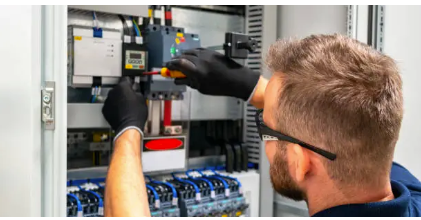
Switchboard Upgrades Adelaide’ Ensuring Safety and Efficiency for Your Home or Business1

Electrical safety is a top priority for homeowners and business operators in Adelaide, SA. One crucial aspect of maintaining a secure electrical system is timely switchboard upgrades. As homes and commercial properties become increasingly reliant on modern appliances, high-powered electronics, and renewable energy sources such as solar panels, older switchboards may struggle to handle the load. Upgrading your switchboard not only ensures compliance with current Australian electrical standards but also reduces the risk of electrical faults, outages, and potential fire hazards.

Why Switchboard Upgrades Are Vital in Adelaide

Many residential and commercial properties in Adelaide still use outdated switchboards installed decades ago. These older systems often use fuses instead of modern circuit breakers, lack proper surge protection, and may not accommodate the electrical demands of today’s lifestyle. Faulty or outdated switchboards can result in frequent tripping, uneven power distribution, and even complete electrical failure.

For Adelaide homeowners, a switchboard upgrade provides peace of mind. It allows your electrical system to handle increased load safely, supports the installation of energy-efficient appliances, and ensures that your home meets the latest safety regulations. For businesses, reliable electricity is even more critical—downtime caused by electrical faults can lead to lost revenue, damaged equipment, and safety hazards to staff and customers.

Signs Your Switchboard Needs Upgrading

Recognising the signs that a switchboard requires attention is essential. Some common indicators include:

● Frequent circuit breaker trips: Constantly tripping breakers suggest that your switchboard cannot handle the current electrical load.

● Flickering lights or power fluctuations: These issues may indicate worn-out components or overloaded circuits.

● Presence of outdated fuses: Older fuse-based switchboards are no longer compliant with Australian standards.

● Burn marks or unusual smells: Evidence of overheating or electrical arcing is a serious safety hazard.

● Expansion of electrical systems: Adding solar panels, home offices, or heavy-duty appliances may require additional circuits and capacity.

If you notice any of these signs in your Adelaide property, it’s critical to contact a licensed electrician immediately.

Benefits of Modern Switchboard Upgrades

Upgrading your switchboard provides multiple benefits beyond compliance and safety:

1. Enhanced Electrical Safety: Modern switchboards feature advanced circuit breakers, surge protection, and improved earthing systems, reducing the risk of fire and electric shock.

2. Capacity for Future Needs: With more homes and businesses installing high-power appliances and renewable energy systems, an upgraded switchboard ensures you won’t face power limitations.

3. Energy Efficiency: New switchboards enable better load management, reducing unnecessary power waste.

4. Peace of Mind: Knowing your electrical system is reliable and compliant with Australian standards eliminates ongoing stress about potential hazards.

In Adelaide, where summers can be hot and electrical demand peaks, ensuring your switchboard can handle seasonal demand is particularly important.

The Switchboard Upgrade Process in Adelaide

A professional switchboard upgrade typically involves several key steps:

1. Assessment: A licensed electrician evaluates your existing switchboard, checks for compliance issues, and determines capacity requirements.

2. Planning: The electrician recommends a solution tailored to your property, whether for residential or commercial purposes.

3. Installation: The old switchboard is safely removed, and a new, compliant switchboard is installed. This includes modern circuit breakers, RCDs (residual current devices), proper earthing, and surge protection.

4. Testing and Certification: After installation, the electrician tests the system to ensure everything is functioning correctly and issues a compliance certificate, which is often required for insurance and legal purposes.

Choosing a Licensed Electrician in Adelaide

When considering switchboard upgrades Adelaide, it’s crucial to engage a licensed and experienced electrician. Professional electricians in Adelaide understand local regulations, safety standards, and the specific electrical challenges of South Australian properties. Attempting DIY upgrades is risky and illegal, as improper installation can lead to accidents, voided insurance, and non-compliance with local codes.

Look for electricians with strong local reputations, positive customer reviews, and certifications that guarantee quality work. Many Adelaide-based electricians also provide ongoing maintenance services, helping you keep your electrical system in optimal condition.

Conclusion

Investing in switchboard upgrades is more than just a maintenance task—it’s a commitment to safety, efficiency, and future-proofing your property. Whether you are a homeowner in the suburbs of Adelaide or managing a commercial property in the city, modern switchboards provide the reliability and protection your electrical system needs. By recognising the signs of an outdated switchboard, understanding the benefits of upgrades, and working with licensed Adelaide electricians, you can ensure your property’s electrical system is safe, compliant, and capable of handling modern demands.

For reliable and professional switchboard upgrades Adelaide, schedule a consultation with a licensed electrician today and take the first step toward a safer, more efficient electrical system.

Categories
Home Improvement

Pool Shops Near Me’ Your Guide to the Best Pool Supplies in Adelaide, SA

Whether you’re searching for top-quality pool chemicals, cleaning equipment, or the latest pool accessories, Adelaide offers a range of specialised stores designed to meet every pool maintenance need. If you’re a pool owner in Adelaide, finding reliable pool shops near me can make all the difference in keeping your swimming pool sparkling clean and fully functional.

Locating a nearby pool shop not only saves time but also gives you access to expert advice from professionals who understand the local climate and water conditions in South Australia.

Adelaide residents often face unique pool maintenance challenges due to the region’s hot, dry summers and occasional heavy rainfall. This makes it crucial to source your pool supplies from trusted local stores. From chlorine and pH balancers to automated cleaning systems and pool covers, the best pool shops in Adelaide carry everything you need to keep your pool safe, hygienic, and inviting year-round.

Top Pool Shops in Adelaide for Quality Supplies

When looking for pool shops near me, it’s important to consider factors like product variety, customer service, and pricing. In Adelaide, several established pool suppliers have built strong reputations for their reliable products and expert guidance:

1. Local Pool Centres – Many neighbourhood pool centres in Adelaide stock a wide range of essential supplies, including chemical kits, pumps, and filters. These stores often provide hands-on demonstrations and advice on water testing, helping you maintain perfect water balance.

2. Specialty Pool Equipment Retailers – For high-end pool technology like robotic cleaners or energy-efficient pumps, specialty retailers offer knowledgeable staff and warranty-backed products. These stores are ideal for homeowners looking to upgrade their pool systems.

3. Big-Box Pool Suppliers – Larger chain stores may have multiple Adelaide locations, offering convenience and competitive prices on bulk chemicals and general pool maintenance tools. They are a great option if you need to stock up quickly or want one-stop shopping.

Visiting these shops in person allows you to discuss your specific pool setup, whether it’s an in-ground backyard pool in Glenelg or a modern lap pool in North Adelaide, ensuring you get supplies tailored to your needs.

Why Local Pool Shops Are Better Than Online Options

While online shopping for pool supplies has become popular, there are several advantages to visiting a physical pool shops near me in Adelaide:

● Immediate Availability: You can pick up essential chemicals or replacement parts instantly, without waiting for shipping.

● Expert Advice: Staff at local stores understand Adelaide’s water chemistry and can recommend solutions for common issues like algae growth or high mineral content.

● Hands-On Selection: Seeing products in person helps ensure you choose the right size, type, and brand for your pool.

Additionally, many Adelaide pool shops offer after-sales support, including maintenance tips, installation services, and emergency chemical delivery, which is particularly valuable during the peak summer months.

Tips for Choosing the Right Pool Shop in Adelaide

Finding the best pool shops near me requires more than just proximity. Consider the following tips to ensure you get the best service and products:

1. Check Customer Reviews – Online platforms and local forums provide insights into product quality and customer experiences with Adelaide pool suppliers.

2. Compare Prices and Products – Don’t settle for the first store you find. Comparing prices ensures you get value for money while accessing quality brands.

3. Ask About Local Expertise – A pool shop familiar with Adelaide’s climate can help you select chemicals and equipment that work best for your area.

4. Look for Extra Services – Some stores offer pool inspections, water testing, and even delivery, making pool maintenance more convenient.

By applying these criteria, Adelaide pool owners can easily identify trustworthy shops that meet both budget and quality requirements.

Maintaining Your Pool Made Easy

Once you have found reliable pool shops near me in Adelaide, maintaining your pool becomes much simpler. Regular visits to these stores ensure you have fresh chemicals, functioning equipment, and access to expert tips. Whether you are a first-time pool owner in Prospect or a seasoned pool enthusiast in Burnside, consistent supply and advice can prevent costly repairs and enhance the enjoyment of your pool.

Local pool shops also keep up with the latest innovations in pool technology. From energy-efficient filtration systems to automated dosing systems, Adelaide retailers are increasingly offering products that save time, reduce costs, and promote sustainable pool care practices. Engaging with these shops keeps you informed about new products and techniques specifically suited to South Australian conditions.

Conclusion

For Adelaide homeowners and swimming enthusiasts, finding dependable pool shops near me is crucial for effective pool management. By choosing local suppliers, you gain access to expert advice, high-quality products, and services designed for Adelaide’s unique environment. Whether you need routine maintenance chemicals, advanced cleaning equipment, or professional guidance, Adelaide’s pool shops offer everything necessary to keep your pool pristine year-round. Prioritising local stores not only supports the community but also ensures your pool remains a safe, enjoyable, and sparkling centrepiece of your home.

Categories
Home Improvement

Adelaide Pergolas’ Common Mistakes to Avoid During Installation

Installing a pergola can dramatically enhance the aesthetic appeal and functionality of your outdoor space. For homeowners in Adelaide, SA, investing in Adelaide pergolas offers a stylish way to create shade, entertain guests, or elevate your backyard’s overall value. However, many first-time installers make avoidable mistakes that compromise both safety and longevity. Understanding these pitfalls ensures that your pergola not only looks great but also stands the test of time.

1. Neglecting Local Regulations and Permits

One of the most common errors in pergola installation is failing to comply with council regulations. Adelaide homeowners must adhere to specific building codes and zoning laws, especially when constructing a structure attached to a house or near property boundaries. Failing to obtain the required permits can result in fines or even orders of removal. Before breaking ground, check with your local council to confirm the necessary approvals and guidelines. This small step prevents costly setbacks and ensures your pergola is compliant with Adelaide regulations.

2. Choosing the Wrong Materials

Selecting inappropriate materials is another frequent mistake. While timber is a popular choice for its natural aesthetic, it requires proper treatment to withstand Adelaide’s climate, which can include intense sun and occasional heavy rains. Untreated wood may warp, crack, or rot over time. Similarly, using low-quality metals without corrosion resistance can lead to rust and structural instability. Investing in high-quality timber, powder-coated aluminium, or weather-resistant composite materials may initially cost more but saves significant maintenance and replacement costs in the long run.

3. Ignoring Proper Foundation and Support

A stable foundation is critical for the durability of any pergola. Many DIY installers underestimate the importance of a solid base. Adelaide’s soil composition varies across regions, with sandy or clay-heavy areas requiring specialised footings. Skipping proper concrete footings or anchoring can lead to leaning posts and an unsafe structure. Ensuring your pergola has a robust foundation not only protects your investment but also keeps family and guests safe.

4. Overlooking Accurate Measurements and Planning

A surprising number of pergola installations fail due to poor planning and inaccurate measurements. Misjudging height, width, or alignment can result in awkward gaps, uneven posts, or a structure that clashes with existing landscaping. Take the time to measure your space meticulously, accounting for nearby trees, fences, and outdoor furniture. Sketching a detailed plan or consulting with an Adelaide-based pergola specialist can help you visualise the final result and prevent costly mistakes during construction.

5. Underestimating the Importance of Drainage

Water management is often an afterthought, but it is crucial for pergolas in Adelaide, where occasional heavy rainfall can occur. Installing your pergola without proper drainage can cause water to pool on the roof or around the posts, accelerating wood decay or corrosion. Integrating gutters, sloped roofing, or water-resistant materials protects your pergola and surrounding landscape from potential water damage.

6. Ignoring Sun and Shade Orientation

Pergolas are meant to provide comfortable outdoor spaces, yet many installations fail to consider sunlight angles. In Adelaide, where summers can be harsh, orienting your pergola without considering sun exposure may result in a structure that offers little relief from the heat. Evaluate the sun’s path throughout the day and choose a design that maximises shade during peak sunlight hours while still allowing for natural light. Adjustable louvred roofs or strategically placed climbing plants can also enhance comfort and aesthetic appeal.

7. Skimping on Fasteners and Joinery

Another common oversight is the use of inadequate fasteners. Low-quality screws, bolts, or brackets may fail under weight or wind stress. Adelaide pergolas, particularly those exposed to seasonal gusts, require sturdy joinery and weather-resistant hardware. Using stainless steel or galvanised fasteners ensures your pergola remains secure, reducing the risk of collapse and prolonging its lifespan.

8. Neglecting Maintenance Planning

Finally, neglecting ongoing maintenance compromises even the best-built pergola. Adelaide’s climate exposes outdoor structures to UV radiation, moisture, and temperature fluctuations. Regular cleaning, sealing, and checking for structural damage prevent minor issues from escalating. Choosing materials that require minimal maintenance or applying protective coatings during installation can significantly reduce long-term upkeep.

Conclusion

Investing in Adelaide pergolas is a smart way to enhance your outdoor living area, but avoiding common installation mistakes is essential. From securing permits to selecting the right materials, ensuring proper foundations, and considering sun orientation, every detail matters. By planning carefully and addressing these frequent pitfalls, homeowners in Adelaide can enjoy a beautiful, durable, and functional pergola that adds value and comfort to their property for years to come.

Proper installation not only safeguards your investment but also transforms your backyard into a stylish, practical retreat. Don’t let simple mistakes undermine the potential of your Adelaide pergola—take the time to plan thoroughly and execute wisely.

Categories
Home Appliances

Smeg Appliances Adelaide’ Why Investing in Premium Italian Design Elevates Your South Australian Home

Smeg appliances have become a defining feature in high-end kitchens across Adelaide, SA. Known for their distinctive Italian styling and precision engineering, Smeg appliances offer more than everyday functionality — they deliver aesthetic impact, long-term durability, and measurable value for homeowners. In a city where design-conscious renovations and custom builds are increasingly common, investing in premium kitchen technology is no longer a luxury; it is a strategic decision that influences lifestyle, efficiency, and resale potential.

Designed for Adelaide’s Diverse Home Styles

From heritage villas in North Adelaide to contemporary coastal homes in Henley Beach and architect-designed builds in Burnside, Adelaide properties often balance tradition with modern living. Smeg appliances complement this blend seamlessly. The brand, founded in Italy, is internationally recognised for combining retro-inspired finishes with cutting-edge cooking and refrigeration technology.

The iconic 50s-style refrigerators and minimalist built-in ovens integrate effortlessly into both classic and contemporary interiors. For homeowners renovating older character homes, these appliances provide a way to modernise functionality without sacrificing design coherence. In new developments across suburbs such as Glenelg and Prospect, they serve as visual focal points that elevate overall kitchen aesthetics.

Beyond appearance, Smeg appliances are engineered to precise European manufacturing standards. Adelaide homeowners who value craftsmanship and longevity often prioritise brands that demonstrate consistent build quality, especially when undertaking high-budget kitchen renovations.

Performance That Matches South Australian Living

Adelaide’s climate ranges from hot, dry summers to cool winters, placing unique demands on refrigeration and cooking systems. Reliable temperature control and energy efficiency are essential. Smeg appliances feature advanced cooling systems, multi-function ovens, and induction technologies that ensure precise heat distribution and consistent results.

For serious home cooks and entertainers — a common demographic in Adelaide’s food-focused culture — performance matters. With South Australia renowned for its wine regions, such as the Barossa Valley and McLaren Vale, home entertaining is part of the lifestyle. Investing in premium cooking appliances ensures consistent results whether preparing weekday meals or hosting large gatherings.

Energy efficiency is another practical consideration. South Australia often has higher electricity prices than other states. Many Smeg appliances have strong energy ratings, helping reduce long-term operational costs. Over time, this efficiency offsets the initial purchase price, reinforcing the investment case.

Long-Term Value for Property Investment

Kitchen upgrades consistently rank among the highest-return home improvements in the Australian property market. In Adelaide’s competitive real estate environment, premium fixtures differentiate a property from comparable listings. Real estate professionals frequently note that high-quality branded appliances enhance perceived value during inspections.

When buyers walk into a kitchen fitted with Smeg appliances, the impression is immediate. The brand signals quality, attention to detail, and thoughtful design. Even if prospective buyers are not appliance experts, recognisable premium brands influence emotional response and perceived property worth.

Integrated Technology and Modern Functionality

Today’s kitchens are increasingly technology-driven. Adelaide homeowners expect intuitive controls, programmable settings, and safety features. Smeg appliances feature pyrolytic self-cleaning ovens, induction cooktops with automatic pan detection, and refrigeration systems that maintain stable humidity levels for food preservation.

These technological advantages are not superficial additions; they directly improve user experience. Families benefit from safer cooking surfaces and easy-to-clean finishes, while busy professionals appreciate time-saving automation features.

In addition, integrated appliance design contributes to streamlined cabinetry layouts. Built-in dishwashers, warming drawers, and combination steam ovens enable cohesive kitchen architecture — a feature highly valued in contemporary Adelaide homes where open-plan living is dominant.

Supporting Local Retailers and Showrooms

Another advantage of investing in Smeg appliances in Adelaide is the accessibility of reputable appliance retailers and kitchen showrooms throughout metropolitan South Australia. Buyers can experience products firsthand, compare finishes, and consult with specialists before committing.

This physical retail presence provides peace of mind. Warranty support, service availability, and access to spare parts are critical considerations when purchasing premium appliances. Established distribution networks ensure that Adelaide customers receive ongoing support long after installation.

Choosing a globally recognised brand with a strong Australian footprint reduces procurement risk. For homeowners undertaking full-scale renovations, this reliability is crucial to project timelines and contractor coordination.

Aesthetic Impact That Endures

Trends in kitchen design evolve, but certain brands maintain relevance through consistent design philosophy. The distinctive styling of Smeg appliances has remained desirable for decades because it balances personality with restraint. Whether selecting matte black finishes, stainless steel, or bold statement colours, homeowners gain appliances that remain visually relevant in the long term.

In Adelaide’s renovation market — where many properties blend period facades with contemporary interiors — this design longevity is particularly valuable. Rather than appearing dated after a few years, premium European appliances often retain their appeal, supporting sustained property value.

Is the Investment Worth It?

While the upfront cost is higher than that of entry-level brands, the total lifecycle value must be considered. Durability, warranty coverage, energy efficiency, and resale appeal collectively justify the premium for many Adelaide homeowners. When calculated over a 10–15 year horizon, the cost difference narrows significantly.

For individuals building custom homes, upgrading investment properties, or undertaking luxury renovations, appliance selection should align with broader design and financial objectives. In that context, Smeg appliances represent not merely a purchase but a strategic enhancement to lifestyle and asset value.

Final Thoughts

Adelaide’s housing market continues to evolve, with growing emphasis on design excellence, sustainability, and quality craftsmanship. Investing in Smeg appliances aligns with these priorities by delivering high-performance functionality wrapped in distinctive Italian design. For homeowners seeking long-term reliability, aesthetic impact, and enhanced resale potential, premium kitchen appliances are more than decorative additions — they are foundational elements of a sophisticated South Australian home.