
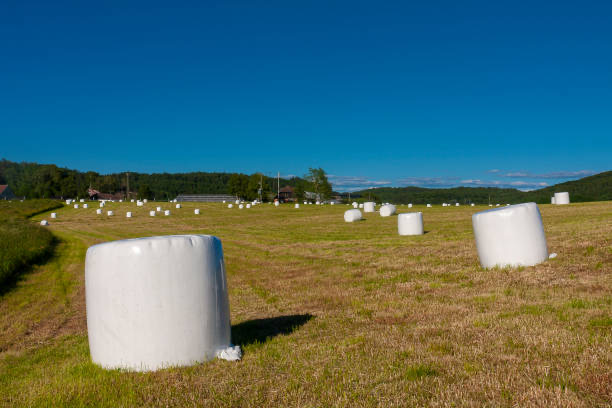
When it comes to efficient hay and silage baling, selecting the appropriate net wrap plays a crucial role in protecting your investment and maximising bale quality. In Australia’s diverse agricultural landscape, understanding how to choose the right net wrap Australia for small versus large bales can make a significant difference in your operation’s productivity and profitability. This article dives into the key considerations for farmers and contractors to ensure they select the best net wrap Australia has to offer for their specific bale sizes.
Why Net Wrap Matters in Australian Farming
Net wrap is a revolutionary innovation that has transformed baling processes worldwide, and Australian farmers are no exception. Unlike traditional twine, net wrap offers superior coverage, reducing spoilage and maintaining bale integrity during transport and storage. Given Australia’s varied climate — from humid coastal regions to arid inland areas — using the right net wrap can protect bales against weather extremes, UV exposure, and pests.
When you search for net wrap Australia, you’ll find products specifically designed to meet local conditions. But the key to unlocking the full potential of net wrap is matching it to the bale size — whether small or large — and the unique demands of your farming environment.
Understanding Bale Sizes: Small vs. Large
Small bales, often ranging from 20 to 25 kilograms, are commonly used for feeding livestock on smaller properties or for specialty forage. Large bales, by contrast, can weigh from 300 to over 1,000 kilograms, making them ideal for large-scale livestock operations and commercial hay sales.
Each bale size comes with distinct handling, storage, and durability requirements. Therefore, the net wrap chosen must complement the bale’s size to ensure optimal performance.
Key Factors in Choosing Net Wrap for Small Bales
For small bales, flexibility and efficiency are critical. Net wrap for these bales needs to be lightweight and easy to handle to keep up with quick baling speeds and frequent bale turning.
- Material Thickness and Density: Small bale net wrap usually features thinner, lighter materials that wrap easily without adding unnecessary weight. This helps maintain bale manageability and reduces labour strain.
- Roll Size and Length: Because small bales require less coverage, net wrap rolls designed for them tend to be smaller and more compact. This allows operators to carry more rolls and reduce downtime during baling.
- UV Resistance: Australian farms exposed to intense sunlight must opt for net wrap with sufficient UV stabilisation to prevent degradation during outdoor storage. This is especially important for small bales that might remain outdoors for extended periods.
Choosing the right net wrap Australia farmers prefer for small bales will not only speed up the baling process but also enhance the quality and longevity of the forage.
Selecting Net Wrap for Large Bales: Strength and Durability
Large bales face greater challenges in terms of weight, pressure, and handling, so the net wrap used must be robust and durable.
- High Tensile Strength: Large bale net wrap needs to have high tensile strength to withstand the stress of wrapping heavier, denser bales without tearing or stretching excessively.
- Width and Coverage: Wider net wrap widths are preferred for large bales to ensure full and secure coverage, minimising bale deformation and loss of material during transport and storage.
- Enhanced UV and Weather Resistance: Given that large bales often remain stored outdoors for longer durations, premium net wrap with advanced UV stabilisers and weatherproof qualities is essential for protecting bale integrity against Australia’s harsh climate.
Investing in high-quality net wrap that Australian suppliers provide for large bales is critical for maintaining bale shape, reducing waste, and ensuring feed quality is preserved.
Practical Tips for Australian Farmers
- Match Net Wrap to Your Baling Equipment: Ensure the net wrap roll size and thickness are compatible with your baler specifications. Using incorrect sizes can lead to machine jams or inefficient wrapping.
- Consider Your Storage Environment: If bales are stored outdoors, prioritise net wrap with strong UV protection and weather resistance. For indoor storage, less UV resistance may be acceptable.
- Test Different Brands: Australia’s agricultural supply market offers multiple net wrap brands tailored for local conditions. Trialling different products can help identify the ideal balance of price, performance, and durability.
- Recycle and Dispose Responsibly: Net wrap is a plastic product, so be mindful of recycling programs available in your region to reduce environmental impact.
The Future of Net Wrap in Australia
Advancements in net wrap technology continue to emerge, with Australian companies investing in more sustainable, UV-stable, and high-strength materials. Innovations such as biodegradable net wraps and enhanced UV inhibitors are becoming more accessible, enabling farmers to balance productivity with environmental responsibility.
Conclusion
Choosing the right net wrap for small versus large bales is a strategic decision that directly impacts the efficiency and quality of your hay and silage production. For Australian farmers, understanding the differences in net wrap properties and matching them to bale size and storage conditions is essential.
When sourcing net wrap Australia-wide, prioritise products designed for your bale size and climate, ensuring your bales are well-protected from the challenges posed by weight, weather, and handling. With the right net wrap, you can maximise bale longevity, reduce wastage, and ultimately improve the profitability of your agricultural operations.