
In the realm of modern agriculture, the role of infrastructure cannot be overstated. Industrial sheds, originally designed for storage and manufacturing purposes, have found a significant niche in revolutionising agricultural practices. These robust structures, typically large and customisable, provide farmers with versatile solutions to enhance efficiency, protect crops and livestock, and optimise resource management. This article explores the innovative uses of industrial sheds in agriculture, highlighting their impact on farm operations, sustainability, and the future of food production.
Enhanced Crop Protection and Storage
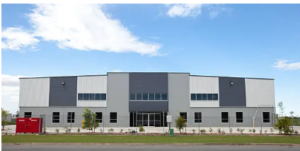 Industrial sheds offer farmers a reliable means to safeguard their produce from the vagaries of weather and pests. Unlike traditional barns or open-air storage, these structures provide enclosed spaces that can be climate-controlled and equipped with advanced ventilation systems. This capability not only extends the shelf life of harvested crops but also minimises losses due to spoilage or environmental factors.
Moreover, industrial sheds can house specialised equipment for processing and packaging agricultural products on-site. This integration streamlines the supply chain, reducing transportation costs and ensuring that crops reach markets in optimal condition. For example, in regions prone to unpredictable weather patterns or extreme temperatures, such as parts of Australia or the Midwest United States, industrial sheds serve as indispensable assets in securing agricultural yields year-round.
Facilitating Precision Agriculture
The advent of precision agriculture has transformed how farmers manage their land and resources. Industrial sheds play a pivotal role in this technological evolution by serving as command centres for monitoring and controlling automated farming systems. These sheds house computerised equipment such as sensors, drones, and irrigation systems that collect data on soil moisture, nutrient levels, and crop health.
By consolidating these operations under one roof, farmers can analyse real-time data and make informed decisions to optimise yields and minimise inputs. This approach not only enhances productivity but also promotes sustainable farming practices by reducing water consumption, fertiliser usage, and pesticide application. In essence, industrial sheds are becoming nerve centres for the implementation of precision agriculture, bridging the gap between traditional farming practices and cutting-edge technologies.
Integration of Vertical Farming Techniques
The growing global demand for food has spurred interest in vertical farming, a practice that involves growing crops in stacked layers or vertically inclined surfaces. Industrial sheds provide an ideal environment for implementing vertical farming techniques due to their spacious interiors and customisable layouts.
These sheds can accommodate vertical farming systems that utilise hydroponics or aeroponics, where crops are grown without soil and with minimal water usage. By stacking crops vertically, farmers maximise land use efficiency and can cultivate a variety of produce in a controlled environment. This approach is particularly beneficial in urban areas where arable land is scarce, allowing for local food production and significantly reducing the carbon footprint associated with transporting produce over long distances.
Supporting Livestock Management
Industrial sheds are not limited to crop production; they also serve as essential facilities for managing livestock in modern agriculture. These structures provide shelter for animals, protecting them from adverse weather conditions and predators while maintaining optimal living conditions.
Moreover, industrial sheds can house facilities for feed storage, milking parlours, and veterinary care, facilitating efficient management of livestock operations. For example, in dairy farming, these sheds house automated milking systems that enhance productivity and animal welfare by providing a comfortable and hygienic environment for milking cows.
Promoting Sustainable Agriculture Practices
Sustainability is a cornerstone of modern agriculture, and industrial sheds contribute significantly to this goal by supporting sustainable farming practices. These structures enable the implementation of renewable energy systems, such as solar panels or wind turbines, which can power farm operations and reduce reliance on fossil fuels.
In conclusion, industrial sheds have evolved beyond their traditional roles in storage and manufacturing to become integral components of modern agricultural practices. These versatile structures support enhanced crop protection, facilitate precision agriculture techniques, integrate vertical farming systems, and provide essential facilities for livestock management. Moreover, they promote sustainability by enabling the implementation of renewable energy solutions and eco-friendly building practices.
As agriculture continues to evolve in response to global challenges such as population growth and climate change, industrial sheds will play an increasingly crucial role in ensuring food security, promoting resource efficiency, and advancing innovation in farming practices. By embracing the innovative uses of industrial sheds in agriculture, farmers can optimise productivity, enhance sustainability, and pave the way for a resilient and prosperous agricultural future.