
Just like humans, dogs can suffer from various injuries that affect their mobility and overall quality of life. Whether it’s due to surgery, an accident, or a degenerative condition, recovery for dogs can be challenging and often slow without proper care. One of the most effective ways to speed up the healing process is through physical therapy. Dog physical therapy (PT) offers numerous dog PT benefits that promote faster recovery, helping dogs in Portland regain strength, mobility, and their playful nature in a much shorter time frame.
What is Dog Physical Therapy?
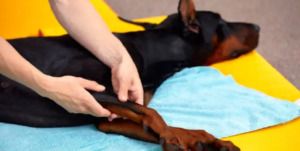 Dog physical therapy, or canine rehabilitation, is a specialised treatment aimed at improving a dog’s physical function and mobility after an injury or surgery. It involves a combination of exercises, manual therapy, and sometimes the use of advanced equipment like underwater treadmills, lasers, and balance boards. The goal is to address pain, promote healing, and restore normal movement patterns. By working with a trained canine physical therapist, dogs receive personalised treatment plans tailored to their specific condition, injury, and recovery goals.
Key Benefits of Dog PT in Injury Recovery
Speeds Up Recovery Time
One of the most significant dog PT benefits is its ability to accelerate recovery from injuries. Physical therapy targets the specific muscles and joints affected by an injury, promoting faster healing by improving blood flow, reducing inflammation, and enhancing muscle strength. For dogs recovering from surgeries like cruciate ligament repairs or spinal issues, PT can shorten the recovery period by weeks. Through controlled exercises, muscles regain strength and flexibility quicker, which is crucial in restoring normal movement and avoiding complications.
Reduces Pain and Inflammation
Pain management is a critical aspect of injury recovery for dogs. Physical therapy can significantly reduce pain levels and inflammation in dogs suffering from acute or chronic injuries. Techniques such as massage therapy, cold laser therapy, and hydrotherapy are commonly used in dog PT to target the affected areas, relax muscles, and reduce swelling. As a result, dogs experience less discomfort and can move more freely, which is essential for promoting natural healing.
Improves Mobility and Range of Motion
Injuries can severely limit a dog’s mobility, leading to stiffness, restricted movement, and difficulty walking or running. One of the dog PT benefits is that it addresses these issues by gradually restoring range of motion through passive stretching and range-of-motion exercises. These exercises are designed to loosen up stiff joints, reduce scar tissue buildup, and prevent the development of compensatory movement patterns. By improving flexibility and joint health, physical therapy helps dogs regain their ability to move comfortably and naturally.
Prevents Muscle Atrophy and Weakness
When dogs are injured, they often need to rest for extended periods, which can lead to muscle atrophy (loss of muscle mass). This weakening of muscles can delay recovery and make it harder for dogs to return to their normal activities. Dog PT combats muscle atrophy by encouraging movement and strength-building exercises tailored to the dog’s specific needs. Strengthening the muscles around the injured area ensures that dogs remain strong enough to support their body weight and avoid further injury.
Promotes Balance and Coordination
Injuries, especially those affecting the spine, legs, or joints, can cause dogs to lose balance and coordination. Physical therapy includes exercises that focus on retraining the dog’s balance and proprioception (awareness of body position in space). By using tools like balance boards, wobble cushions, and controlled obstacle courses, PT helps dogs regain coordination, improve their gait, and restore their confidence in walking or running. It is particularly important for dogs recovering from neurological injuries or surgeries.
Prevents Secondary Injuries
During the recovery process, dogs often compensate for their injury by overusing other parts of their body, which can lead to secondary injuries. For example, if a dog is limping on one leg, they may put more weight on the opposite leg, increasing the risk of joint strain or injury.
Conclusion
Dog physical therapy is an invaluable tool for helping dogs recover from injuries faster and more effectively. The dog PT benefits extend beyond just physical healing; it also helps with pain management, mobility improvement, muscle strengthening, and overall emotional well-being. Whether your dog is recovering from surgery, a traumatic injury, or dealing with a chronic condition, physical therapy offers a path to a quicker and more complete recovery. With the guidance of a skilled canine physical therapist in Portland, your dog can regain its strength, confidence, and zest for life.