Categories
Uncategorized

Siemens Controllers: Leading the Way in New Zealand’s Industrial Automation

In the fast-evolving world of industrial automation, Siemens controllers have emerged as a top choice for businesses across New Zealand. Known for their reliability, innovation, and advanced technology, Siemens controllers are integral in driving efficiency and productivity in various sectors. This article delves into the excellent features, benefits, and applications of Siemens controllers, shedding light on why they are the preferred choice for industrial automation in New Zealand. For more information about the CNCDesign Siemens controllers, click here.

What Are Siemens Controllers?

CNCDesign Siemens controllersSiemens controllers are sophisticated devices designed to manage and automate industrial processes. These controllers, which include Programmable Logic Controllers (PLCs), Distributed Control Systems (DCS), and other automation solutions, play a pivotal role in significantly ensuring the smooth and efficient operation of machinery and processes. Siemens, a global leader in industrial automation, has completely developed a range of controllers tailored to meet diverse industrial needs.

Key Features of Siemens Controllers

  • Reliability and Durability: Siemens controllers are renowned for their robust build quality and reliability. Built to withstand harsh industrial environments, they ensure continuous operation even under challenging conditions. This reliability is crucial for minimising downtime and maintaining production efficiency.
  • Advanced Technology: Siemens controllers integrate cutting-edge technology, including high-speed processing, advanced communication protocols, and comprehensive data management. This technology enables precise control and monitoring of industrial processes, leading to improved performance and reduced operational costs.
  • Flexibility and Scalability: One of the standout features of Siemens controllers is their flexibility and scalability. They are specially designed to fully accommodate a wide range of applications, from small-scale systems to complex industrial setups. This adaptability allows businesses to scale their automation systems according to their evolving needs. For more information about the CNCDesign Siemens controllers, click here.
  • User-Friendly Interfaces: Siemens controllers come equipped with intuitive interfaces that simplify programming and operation. The user-friendly design significantly ensures that even those with limited technical expertise can effectively manage and control industrial processes.
  • Comprehensive Integration: Siemens controllers seamlessly integrate with other Siemens automation products and third-party systems. This comprehensive integration capability enhances the overall functionality and efficiency of industrial automation systems.

Benefits of Using Siemens Controllers

  • Enhanced Efficiency: Siemens controllers optimise industrial processes by providing precise control and monitoring. This efficiency translates into increased productivity, reduced operational costs, and improved overall performance.
  • Improved Reliability: The robust design of Siemens controllers ensures dependable operation, minimising the risk of system failures and downtime. This reliability is crucial for maintaining consistent production levels and meeting business objectives.
  • Cost Savings: By reducing the need for frequent maintenance and repairs, Siemens controllers contribute to significant cost savings.
  • Future-Proofing: Siemens controllers are designed with future advancements in mind. Their scalability and compatibility with emerging technologies ensure that businesses can adapt to new developments without needing to overhaul their entire automation system.

Applications of Siemens Controllers in New Zealand

Siemens controllers find applications across a wide range of industries in New Zealand. Some notable examples include:

  • Manufacturing: In the manufacturing sector, Siemens controllers are used to automate production lines, manage machinery, and monitor quality control processes. Their advanced features enable precise control and optimisation of manufacturing operations.
  • Mining and Resources: The mining and resources sector relies on Siemens controllers to manage complex processes, including ore extraction, processing, and equipment maintenance. The controllers’ durability and reliability are essential for operating in demanding environments.
  • Utilities: Siemens controllers play a crucial role in managing utilities such as water and electricity. They are used for monitoring and controlling distribution networks, ensuring efficient and reliable service delivery.
  • Building Automation: Siemens controllers are employed to manage lighting, HVAC systems, and security in building automation. Their integration capabilities allow for comprehensive control of building systems, enhancing comfort and energy efficiency.
  • Transportation: Siemens controllers are used in transportation systems, including railways and airports, to manage signals, control traffic, and ensure safety. Their precision and reliability are vital for smooth and safe transportation operations.

Conclusion:

Siemens controllers represent a pinnacle of innovation and reliability in industrial automation. With their advanced technology, flexibility, and comprehensive integration capabilities, they are remarkably an ideal choice for businesses across New Zealand seeking to enhance efficiency and productivity. Whether in manufacturing, mining, utilities, building automation, or transportation, Siemens controllers offer the performance and reliability needed to drive success in today’s competitive industrial landscape.

Categories
Uncategorized

Custom Cartons: The Ideal Packaging Solution for Your Business

In today’s competitive market, packaging plays a crucial role in shaping customer perceptions and ensuring the safe transportation of goods. One packaging solution that stands out for its versatility, durability, and customisation options is custom cartons. In New Zealand, businesses across various industries are increasingly opting for custom cartons to enhance their branding, meet specific packaging requirements, and ensure product protection. For quality custom cartons, check this out.

What Are Custom Cartons?

custom cartonsCustom cartons refer to tailor-made packaging boxes that are specifically designed to fit the size, shape, and unique requirements of the product they hold. Unlike generic cartons, custom cartons can be fully personalised in terms of material, dimensions, printing, and design to align with a company’s branding and packaging needs.

These cartons are widely used across sectors such as retail, e-commerce, food and beverage, and logistics in New Zealand. From small businesses to large corporations, custom cartons offer flexibility and advantages that standard packaging solutions cannot match.

Benefits of Using Custom Cartons in New Zealand

Perfect Fit for Your Products

One of the main advantages of custom cartons is that they are designed to precisely fit your products. Whether you are packaging fragile items like electronics, bulky goods, or oddly shaped products, custom cartons can be tailored to provide maximum protection. It reduces the risk of damage during transit, resulting in fewer returns and more satisfied customers.

In New Zealand, where businesses often cater to local and international markets, ensuring the safe delivery of goods is crucial. Custom cartons allow for the creation of packaging that meets the exact specifications needed for safe transport.

Improved Brand Recognition

Custom cartons are an excellent tool for brand marketing. By customising the design, logo, and colours of your packaging, you can significantly create a memorable unboxing experience for your customers. It enhances brand visibility and recognition, making your product stand out in a competitive market.

New Zealand businesses, especially in the retail and e-commerce sectors, understand the importance of branding. A well-designed custom carton can leave a lasting impression on customers and reinforce brand loyalty. Moreover, it adds a layer of professionalism and attention to detail that significantly reflects positively on your brand.

Eco-Friendly Options

Sustainability is a continuously growing concern for consumers and businesses alike. Many companies in New Zealand are making a conscious effort to effectively reduce their carbon footprint by opting for environmentally friendly packaging. Custom cartons can be made from recyclable and biodegradable materials, making them an eco-friendly choice.

Using custom cartons made from sustainable materials not only significantly helps the environment but also appeals to eco-conscious consumers. By promoting the use of eco-friendly custom cartons, New Zealand businesses can align with global sustainability trends and enhance their corporate responsibility.

Cost-Effective Packaging Solution

While custom cartons may seem like a more expensive option at first, they can actually be more cost-effective in the long run. Standard cartons often require extra padding or filler material to protect products that don’t fit perfectly. With custom cartons, the packaging is designed to fit the product snugly, reducing the need for additional materials.

Additionally, custom cartons in New Zealand can be ordered in bulk, which often results in lower per-unit costs. By minimising waste and ensuring efficient packaging, businesses can save on shipping and material costs.

Versatility Across Industries

The versatility of custom cartons makes them ideal for a wide range of industries. In New Zealand, businesses in sectors such as food and beverage, retail, agriculture, and manufacturing all rely on custom cartons to meet their specific packaging needs.

For instance, food companies may require custom cartons that are moisture-resistant or designed to maintain freshness, while electronics manufacturers may need shock-absorbent materials to protect fragile components. Custom cartons can be adapted to meet these varying requirements, ensuring optimal product protection and compliance with industry standards.

Conclusion:

Custom cartons in New Zealand offer a superior packaging solution for businesses across a wide range of industries. From ensuring product protection to enhancing brand visibility and reducing environmental impact, custom cartons are a wise investment that can improve your business operations and customer satisfaction.

Categories
Uncategorized

Washing Machines Perth: The Ultimate Guide to Washing Machines

When it comes to household appliances, washing machines are a cornerstone of modern convenience. For residents of Perth, WA, choosing the correct washing machine can hugely impact the efficiency and quality of your laundry routine. This guide will deeply explore the different types of washing machines available, key features to look for, and tips for maintaining your appliance to ensure longevity. For more economical washing machines, click here.

Types of Washing Machines

Front-Load Washing Machines

Front-load washing machines are popular for their energy efficiency and superior cleaning performance. They use less water and detergent, unlike top-load machines and are gentler on clothes. In Perth, where water conservation is crucial, a front-load washing machine can be an excellent choice. These machines also tend to have a larger capacity, making them ideal for families.

Top-Load Washing Machines

economical washing machinesTop-load washing machines are an exceptionally popular choice due to their ease of use. You can add clothes mid-cycle, and there’s no need to bend over to load or unload the machine. While they generally use more water than front-loaders, advancements in technology have made many top-load models more efficient. For those in Perth with mobility issues or those who prefer a traditional washing machine style, a top-load model may be the best option.

Washer-Dryer Combos

For those with limited space, a washer-dryer combo can be a lifesaver. These all-in-one units wash and dry your clothes in the same machine, saving space and time. Although they may not dry clothes as quickly or efficiently as a separate dryer, they are perfect for small apartments or homes in Perth where space is at a premium. For more economical washing machines, click here.

Key Features to Consider

Energy Efficiency

Energy efficiency is a crucial factor to consider when purchasing a washing machine in Perth. Look for models with a high star rating to reduce your energy consumption and significantly lower your utility bills. Energy-efficient washing machines also tend to use less water, which is a significant consideration in a city where water conservation is essential.

Capacity

The capacity of your washing machine should match your household’s laundry needs. For singles or couples, a smaller capacity machine (around 6-7 kg) may suffice. Families with more laundry will benefit from larger machines (8-10 kg or more). Ensure you choose a capacity that fits your regular load sizes to maximise efficiency and reduce the number of cycles you need to run.

Wash Programs

Modern washing machines come with a variety of wash programs tailored to different fabric types and soil levels. Look for machines that offer programs for delicates, heavy-duty cycles for soiled clothes, and quick washes for lightly soiled items. Having a range of options ensures that all your laundry needs are met efficiently.

Noise Level

If your washing machine will be placed near living areas or bedrooms, consider the noise level. Machines with a direct drive motor or those designed with noise reduction technology can operate quietly, making them ideal for open-plan homes or apartments in Perth. For more economical washing machines, click here.

Maintenance Tips

Regular Cleaning

In keeping your washing machine running smoothly, it’s essential to clean it regularly. It includes wiping down the drum, door seal, and detergent dispenser. Running an empty hot cycle with vinegar or a commercial washing machine cleaner can help remove build-up and odours.

Check Hoses

Inspect the hoses periodically for signs of wear and tear. Replace any damaged hoses to prevent leaks, which can cause significant damage to your home. It’s also a good idea to ensure that the hoses are securely connected to both the washing machine and the water supply.

Top Brands Available in Perth

Several reputable brands offer high-quality washing machines in Perth. Brands like Bosch, LG, Samsung, and Fisher & Paykel are known for their reliability and advanced features. Visiting local appliance stores or checking online retailers can provide insights into the latest models and customer reviews.

Conclusion:

Choosing a suitable washing machine in Perth, WA, involves considering factors like energy efficiency, capacity, and available features. Whether you opt for a front-load, top-load, or a washer-dryer combo, selecting a machine that suits your lifestyle and laundry needs will enhance your home’s efficiency.

Categories
Uncategorized

Property Management Christchurch: Top Qualities That Define an Effective Property Management Team

Effective property management is crucial for ensuring that rental properties are maintained, tenants are satisfied, and financial goals are met. Whether you’re a property owner or a potential tenant, understanding the qualities that define an effective property management team like Iron Bridge property management can help you make informed decisions. In this article, we’ll explore the top qualities that distinguish a high-performing property management team.

Strong Communication Skills

Iron Bridge property managementOne of the most vital traits of an effective property management team is strong communication skills. Clear and timely communication between property managers, tenants, and property owners is essential for resolving issues, managing expectations, and ensuring smooth operations. An effective property management team keeps all parties informed about maintenance schedules, lease agreements, and any changes that might affect them.

Organisational Abilities

Property management involves juggling various tasks, from handling maintenance requests to managing financial records. An effective property management team must exhibit exceptional organisational abilities to keep track of these responsibilities. It includes maintaining up-to-date records of leases, repairs, and financial transactions. A well-organised team ensures that nothing falls through the cracks and that properties are managed efficiently.

Financial Acumen

Understanding and managing finances is a critical component of property management. An effective property management team should possess strong financial acumen, including budgeting, accounting, and financial reporting skills. They should be capable of creating and managing budgets, tracking income and expenses, and providing property owners with detailed financial reports. Proper financial management helps in maximising profitability and ensuring the financial health of the property.

Problem-Solving Skills

From handling maintenance issues to resolving tenant disputes, problem-solving skills are crucial for property management. An effective property management team needs to address and resolve issues promptly and effectively. It includes being proactive in identifying potential problems before they escalate and finding practical solutions that satisfy all parties involved. Strong problem-solving skills help maintain tenant satisfaction and ensure the smooth operation of the property.

Attention to Detail

Attention to detail is a key quality of an effective property management team like Iron Bridge property management. This trait ensures that all aspects of property management are handled meticulously, from lease agreements to property inspections. An eye for detail helps in identifying maintenance issues early, ensuring compliance with regulations, and maintaining accurate records. Attention to detail contributes to the overall quality and efficiency of property management.

Customer Service Orientation

An effective property management team places a high value on customer service. They understand that tenants are their primary customers and that providing exceptional service can lead to higher tenant retention and satisfaction. It includes being responsive to tenant requests, addressing concerns promptly, and creating a positive living experience. A customer-centric approach helps build strong relationships with tenants and fosters a positive reputation for the property management team.

Knowledge of Local Laws and Regulations

Property management teams must be well-versed in local laws and regulations governing rental properties. It includes understanding landlord-tenant laws, building codes, and fair housing regulations. An effective property management team ensures that the property complies with all legal requirements, reducing the risk of legal issues and protecting the interests of both property owners and tenants.

Technical Proficiency

In today’s digital age, technical proficiency is increasingly important in property management. An effective property management team should be adept at using property management software and other technological tools to streamline operations. It includes managing online rent payments, scheduling maintenance, and communicating with tenants through digital platforms. Technical proficiency enhances efficiency and helps in providing a modern, seamless experience for both property owners and tenants.

Ability to Build and Maintain Relationships

Building and maintaining strong relationships with tenants, property owners, and vendors is a crucial quality of an effective property management team. It includes fostering positive interactions, managing conflicts diplomatically, and establishing a network of reliable service providers. Strong relationships contribute to the smooth management of the property and help in addressing issues collaboratively and efficiently.

Conclusion

An effective property management team like Iron Bridge property management is defined by a combination of qualities that ensure the efficient and successful management of rental properties. Strong communication skills, organisational abilities, financial acumen, problem-solving skills, attention to detail, customer service orientation, knowledge of local laws, technical proficiency, relationship-building abilities, and adaptability are all essential traits that contribute to effective property management. By understanding and seeking out these qualities, property owners and tenants can ensure they work with a property management team that is capable of delivering exceptional results and maintaining a high standard of property care.

Categories
Uncategorized

Solar Batteries Adelaide: How Efficient Solar Batteries Enhance Energy Sustainability

As the world grapples with the effects of climate change and the urgent need to transition to sustainable energy sources, solar power has emerged as a leading solution. However, the efficiency and sustainability of solar energy rely heavily on the technology used to store it. Efficient solar batteries are crucial in this regard, playing a pivotal role in enhancing energy sustainability and ensuring a reliable, green future.

The Rise of Solar Energy

efficient solar batteriesSolar energy has significantly seen exponential growth over the past decade. Innovations in photovoltaic (PV) technology have made solar panels more affordable and efficient, driving widespread adoption across residential, commercial, and industrial sectors. Despite these advancements, one critical challenge remains the intermittent nature of solar power. Solar panels only generate electricity during the day, and their output is affected by weather conditions. That is where efficient solar batteries come into play.

Understanding Solar Batteries

Solar batteries store the excess energy generated by solar panels during peak sunlight hours. This stored energy can then be used during periods of low or no sunlight, such as at night or on cloudy days. Efficient solar batteries ensure that the energy harnessed from the sun is not wasted and can be utilised when needed, thereby enhancing the overall efficiency and reliability of solar power systems.

The Importance of Efficiency

The efficiency of a solar battery significantly refers to how well it can store and discharge electricity. Higher efficiency means more stored energy is available for use, leading to less waste and greater reliability. Efficient solar batteries offer several key benefits that enhance energy sustainability:

  1. Maximising Renewable Energy Utilisation: Efficient solar batteries ensure that the maximum amount of generated solar power is stored and used, reducing dependency on fossil fuels and lowering greenhouse gas emissions.
  2. Stabilising the Grid: By storing excess energy, efficient solar batteries help stabilise the electrical grid. During periods of high demand, stored energy can be released, preventing blackouts and reducing the strain on traditional power plants.
  3. Promoting Energy Independence: With efficient solar batteries, homeowners and businesses can achieve greater energy independence. They can rely less on the grid and more on their renewable energy sources, which is particularly beneficial in remote or underserved areas.

Recent advancements in battery technology have remarkably improved the efficiency of solar batteries. Some of the most promising developments include:

  1. Lithium-Ion Batteries: Lithium-ion batteries are currently the most popular choice for solar energy storage significantly due to their high energy density, long lifespan, and fast charging capabilities. Advances in lithium-ion technology continue to enhance their efficiency and safety.
  2. Solid-State Batteries: Solid-state batteries, which use a solid electrolyte instead of a liquid one, promise even higher energy densities and significantly improved safety compared to lithium-ion batteries. Although still in the developmental stage, they hold great potential for future solar energy storage.
  3. Flow Batteries: Flow batteries, which store energy in liquid electrolytes contained in external tanks, offer the advantage of scalable energy storage. They are particularly suitable for large-scale solar installations and can provide high efficiency and long-duration storage.

The Future of Energy Sustainability

Efficient solar batteries are a cornerstone of a sustainable energy future. As solar energy becomes increasingly prevalent, the need for reliable and efficient storage solutions will continue to grow. By maximising the use of renewable energy, stabilising the grid, promoting energy independence, and supporting off-grid systems, efficient solar batteries play a crucial role in effectively reducing our strong reliance on fossil fuels and mitigating the impacts of climate change.

Governments, businesses, and consumers must invest in and support the development and adoption of efficient solar battery technologies. Policies that encourage renewable energy use provide incentives for solar battery installations, and fund research into advanced battery technologies are essential for accelerating the transition to a sustainable energy future.

Conclusion

In conclusion, efficient solar batteries are vital for enhancing energy sustainability. They significantly ensure that the energy generated by solar panels is stored and used effectively, maximising the benefits of renewable energy. As technological advancements continuously improve battery efficiency and capacity, solar batteries will play an increasingly important role in powering our homes, businesses, and communities. By embracing and investing in efficient solar battery technology, we can build a cleaner, more sustainable future for generations to come.

Categories
Uncategorized

Employer Sponsored Migration Adelaide: A Comprehensive Guide

Adelaide, South Australia, is rapidly becoming a preferred destination for skilled workers seeking employer-sponsored migration. With its booming industries, high quality of life, and welcoming community, Adelaide offers a plethora of opportunities for professionals from around the world. For employer sponsored migration advice, check this out.

What is Employer Sponsored Migration?

employer sponsored migration adviceEmployer-sponsored migration is a pathway that significantly allows Australian employers to fully sponsor skilled workers from overseas to fill positions that cannot be filled locally. This migration scheme helps businesses address skill shortages while offering skilled workers the opportunity to live and work in Australia.
Benefits of Employer-Sponsored Migration in Adelaide

  • Economic Opportunities: Adelaide’s economy is diverse and growing, with solid sectors in healthcare, education, defence, and manufacturing. Skilled workers can find numerous job opportunities that align with their expertise.
  • Quality of Life: Adelaide is renowned for its affordable living, excellent healthcare, and education systems. The city is also known for its beautiful landscapes, vibrant culture, and friendly community, making it an exceptionally ideal place for families and individuals alike.
  • Permanent Residency Pathway: Employer-sponsored migration can lead to permanent residency, providing long-term stability and the opportunity to eventually apply for Australian citizenship.

Types of Employer-Sponsored Visas

Temporary Skill Shortage (TSS) Visa (Subclass 482)

The TSS visa allows employers to address labour shortages by bringing in skilled workers on a temporary basis. This visa has three streams:

  • Short-Term Stream: This stream is valid for up to two years for occupations on the Short-Term Skilled Occupation List (STSOL).
  • Medium-Term Stream: For occupations on the Medium and Long-Term Strategic Skills List (MLTSSL), valid for up to four years and offers a pathway to permanent residency.
  • Labour Agreement Stream: For occupations specified in a labour agreement with the Australian government. Employer Nomination Scheme (ENS) Visa (Subclass 186)

The ENS visa is a remarkably permanent residency visa for skilled workers whose employer nominates them. It has three streams:

  • Direct Entry Stream: This stream is for workers who have never worked in Australia or have only worked here for a short time.
  • Temporary Residence Transition Stream: This stream is for workers holding a TSS visa who have worked for their employer for at least three years.
  • Labour Agreement Stream: For workers nominated by an employer under a labour agreement.

Regional Sponsored Migration Scheme (RSMS) Visa (Subclass 187)

The RSMS visa is designed for skilled workers who want to work in regional Australia, including Adelaide. This visa significantly offers a pathway to permanent residency and is divided into two streams similar to the ENS visa: Direct Entry and Temporary Residence Transition.

Requirements for Employer-Sponsored Migration

  • Skills and Qualifications: Applicants must possess the necessary skills and qualifications for the nominated occupation. It often includes a relevant degree or trade qualification and several years of work experience.
  • English Proficiency: Applicants must demonstrate a certain level of English proficiency, usually through tests like IELTS or TOEFL.
  • Health and Character Requirements: Applicants must undergo health examinations and provide police clearance certificates to meet Australia’s health and character standards.
  • Employer Nomination: The Australian employer must thoroughly demonstrate that it is unable to fill the position with a local worker and is offering a market salary rate.

The Application Process

Step 1: Employer Sponsorship

The employer must apply to become an approved sponsor. This involves proving that the employer is a legally operating business with a genuine need for a skilled worker.

Step 2: Nomination

Once approved, the employer nominates the skilled worker for a position. This nomination must align with the occupation lists (STSOL, MLTSSL, or regional lists) and meet the requirements of the visa stream.

Step 3: Visa Application

The nominated skilled worker applies for the relevant visa. It involves submitting detailed documentation, including proof of skills, qualifications, English proficiency, and health and character requirements.

Step 4: Decision

The Department of Home Affairs assesses the application and makes a decision. Processing times can vary, so it’s essential to ensure all documentation is accurate and complete to avoid delays.

Conclusion:

Employer-sponsored migration in Adelaide, SA, presents a valuable opportunity for skilled workers to advance their careers and enjoy a high quality of life in Australia. With a variety of visa options and a supportive application process, Adelaide continues to attract talent from around the globe. If you’re considering employer-sponsored migration, Adelaide’s thriving economy and welcoming community make it an excellent choice for your future.

Categories
Uncategorized

Industrial Refrigeration Adelaide: The Role of IoT in Monitoring and Controlling Complex Industrial Refrigeration

In the realm of industrial operations, particularly within sectors like food processing, pharmaceuticals, and logistics, the management of complex industrial refrigeration systems is crucial. These systems are not only essential for preserving perishable goods but also for maintaining optimal conditions that comply with stringent regu      latory standards. As technology continues to evolve, the integration of   Internet of Things (IoT) devices has revolutionised how these refrigeration systems are monitored and controlled, offering unprecedented levels of efficiency, reliability, and proactive maintenance.

Understanding Complex Industrial Refrigeration Systems

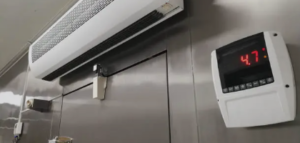
complex industrial refrigeration

Complex industrial refrigeration systems are characterised by their scale, diversity of cooling needs, and the necessity for precise temperature control across multiple zones or facilities. These systems often comprise interconnected networks of compressors, condensers, evaporators, and piping, spanning large areas or multiple sites. The challenge lies in maintaining uniform temperatures, ensuring energy efficiency, and promptly detecting and addressing any malfunctions to prevent costly downtime or product loss.

Traditional Challenges and Limitations

Historically, monitoring and controlling such systems relied heavily on manual inspections and periodic checks by maintenance personnel. This approach, while effective to a certain extent, posed limitations in terms of real-time visibility into system performance, early fault detection, and the ability to make timely adjustments in response to changing operational conditions.

Enter IoT: Transforming Monitoring and Control

The advent of IoT technology has brought about a paradigm shift in how complex industrial refrigeration systems are managed. IoT involves the use of interconnected sensors, actuators, and devices that gather and transmit data over the Internet, enabling remote monitoring, analytics, and control. In the context of industrial refrigeration, IoT solutions offer several transformative benefits:

Real-Time Monitoring and Data Analytics

IoT-enabled sensors placed strategically throughout the refrigeration system continuously collect and transmit data on crucial parameters such as temperature, pressure, humidity, and energy consumption. This real-time data is aggregated and analysed using advanced analytics algorithms to provide actionable insights into system performance. Operators can monitor key metrics through intuitive dashboards, allowing them to detect anomalies or deviations from optimal conditions promptly.

Proactive Maintenance and Predictive Analytics

One of the significant advantages of IoT in industrial refrigeration is its capability for predictive maintenance. By analysing historical data patterns and employing machine learning algorithms, IoT systems can predict potential equipment failures before they occur. This proactive approach minimises unplanned downtime and extends the lifespan of critical components by enabling timely repairs or replacements. Predictive maintenance also contributes to overall operational efficiency and cost savings.

Enhanced Energy Efficiency and Sustainability

Energy consumption is a major concern in industrial refrigeration due to its significant operational costs and environmental impact. IoT solutions help optimise energy usage by identifying opportunities for efficiency improvements. For instance, real-time data analytics can highlight areas of energy wastage or inefficiency, allowing operators to adjust settings, schedule maintenance during off-peak hours, or even implement dynamic control strategies based on fluctuating energy prices. By reducing energy consumption, organisations can achieve sustainability goals while lowering operational expenses.

Remote Monitoring and Control

IoT technology facilitates remote monitoring and control capabilities, enabling operators to manage complex refrigeration systems from anywhere with internet access. This capability is particularly beneficial for multinational corporations or businesses with geographically dispersed facilities. Operators can remotely monitor multiple sites, implement standardised operating procedures, and respond swiftly to alarms or alerts without the need for on-site presence, thereby improving operational agility and responsiveness.

Compliance and Reporting

Adherence to strict compliance standards is non-negotiable in regulated industries such as food and pharmaceuticals. IoT solutions automate compliance monitoring by continuously recording and storing data related to temperature, humidity, and other critical parameters. This data can be accessed in real-time or retrieved for audit purposes, ensuring that organisations effortlessly meet regulatory requirements.

Conclusion

In conclusion, IoT represents a transformative force in the realm of complex industrial refrigeration, offering unparalleled benefits in terms of real-time monitoring, proactive maintenance, energy efficiency, compliance, and operational flexibility. By harnessing the power of interconnected devices and advanced analytics, organisations can not only enhance the reliability and efficiency of their refrigeration systems but also achieve significant cost savings and sustainability goals. As technology continues to evolve, the integration of IoT is set to redefine the future of industrial refrigeration management, paving the way for smarter, more resilient, and environmentally responsible operations.

Categories
Uncategorized

Industrial Sheds Adelaide: Innovative Uses of Industrial Sheds in Agriculture

In the realm of modern agriculture, the role of infrastructure cannot be overstated. Industrial sheds, originally designed for storage and manufacturing purposes, have found a significant niche in revolutionising agricultural practices. These robust structures, typically large and customisable, provide farmers with versatile solutions to enhance efficiency, protect crops and livestock, and optimise resource management. This article explores the innovative uses of industrial sheds in agriculture, highlighting their impact on farm operations, sustainability, and the future of food production.

Enhanced Crop Protection and Storage

industrial shedsIndustrial sheds offer farmers a reliable means to safeguard their produce from the vagaries of weather and pests. Unlike traditional barns or open-air storage, these structures provide enclosed spaces that can be climate-controlled and equipped with advanced ventilation systems. This capability not only extends the shelf life of harvested crops but also minimises losses due to spoilage or environmental factors.

Moreover, industrial sheds can house specialised equipment for processing and packaging agricultural products on-site. This integration streamlines the supply chain, reducing transportation costs and ensuring that crops reach markets in optimal condition. For example, in regions prone to unpredictable weather patterns or extreme temperatures, such as parts of Australia or the Midwest United States, industrial sheds serve as indispensable assets in securing agricultural yields year-round.

Facilitating Precision Agriculture

The advent of precision agriculture has transformed how farmers manage their land and resources. Industrial sheds play a pivotal role in this technological evolution by serving as command centres for monitoring and controlling automated farming systems. These sheds house computerised equipment such as sensors, drones, and irrigation systems that collect data on soil moisture, nutrient levels, and crop health.

By consolidating these operations under one roof, farmers can analyse real-time data and make informed decisions to optimise yields and minimise inputs. This approach not only enhances productivity but also promotes sustainable farming practices by reducing water consumption, fertiliser usage, and pesticide application. In essence, industrial sheds are becoming nerve centres for the implementation of precision agriculture, bridging the gap between traditional farming practices and cutting-edge technologies.

Integration of Vertical Farming Techniques

The growing global demand for food has spurred interest in vertical farming, a practice that involves growing crops in stacked layers or vertically inclined surfaces. Industrial sheds provide an ideal environment for implementing vertical farming techniques due to their spacious interiors and customisable layouts.

These sheds can accommodate vertical farming systems that utilise hydroponics or aeroponics, where crops are grown without soil and with minimal water usage. By stacking crops vertically, farmers maximise land use efficiency and can cultivate a variety of produce in a controlled environment. This approach is particularly beneficial in urban areas where arable land is scarce, allowing for local food production and significantly reducing the carbon footprint associated with transporting produce over long distances.

Supporting Livestock Management

Industrial sheds are not limited to crop production; they also serve as essential facilities for managing livestock in modern agriculture. These structures provide shelter for animals, protecting them from adverse weather conditions and predators while maintaining optimal living conditions.

Moreover, industrial sheds can house facilities for feed storage, milking parlours, and veterinary care, facilitating efficient management of livestock operations. For example, in dairy farming, these sheds house automated milking systems that enhance productivity and animal welfare by providing a comfortable and hygienic environment for milking cows.

Promoting Sustainable Agriculture Practices

Sustainability is a cornerstone of modern agriculture, and industrial sheds contribute significantly to this goal by supporting sustainable farming practices. These structures enable the implementation of renewable energy systems, such as solar panels or wind turbines, which can power farm operations and reduce reliance on fossil fuels.

In conclusion, industrial sheds have evolved beyond their traditional roles in storage and manufacturing to become integral components of modern agricultural practices. These versatile structures support enhanced crop protection, facilitate precision agriculture techniques, integrate vertical farming systems, and provide essential facilities for livestock management. Moreover, they promote sustainability by enabling the implementation of renewable energy solutions and eco-friendly building practices.

As agriculture continues to evolve in response to global challenges such as population growth and climate change, industrial sheds will play an increasingly crucial role in ensuring food security, promoting resource efficiency, and advancing innovation in farming practices. By embracing the innovative uses of industrial sheds in agriculture, farmers can optimise productivity, enhance sustainability, and pave the way for a resilient and prosperous agricultural future.

Categories
Uncategorized

Display Homes Adelaide: Your Ultimate Guide

In the realm of real estate exploration, Adelaide stands out as a city that offers a plethora of options for prospective homeowners. One of the most effective ways to envision your dream home before committing to the building process is by visiting display homes.

display homesThese homes serve as showcases of design, innovation, and craftsmanship, allowing you to experience firsthand what your future home could look and feel like. Whether you are a first-time homebuyer, an investor, or someone looking to upgrade, exploring display homes in Adelaide can provide invaluable insights and inspiration. For more display homes, check this out!

What Are Display Homes?

Display homes, also known as model homes or show homes, are entirely constructed and furnished houses built by builders to showcase their design capabilities, craftsmanship, and the quality of their artistry. These homes are strategically located in residential developments or display villages across Adelaide, making it convenient for potential buyers to visit and explore different styles, layouts, and finishes available.

Benefits of Visiting Display Homes

  • Visual Inspiration: Display homes offer a tangible representation of what is possible in terms of design and functionality. From modern architectural styles to traditional aesthetics, each display home is crafted to highlight the best features and options available from the builder.
  • Quality Assessment: By visiting display homes, you can assess the quality of materials and craftsmanship firsthand. It helps you make informed decisions about the builder’s reputation and the standard of construction you can expect.
  • Customisation Ideas: Builders often incorporate the latest trends and innovations in their display homes. It provides visitors with ideas for customisation and upgrades that can enhance the livability and value of their future homes. For more display homes, check this out!
  • Location Insights: Display homes are usually situated within planned communities or developments. Visiting these homes allows you to evaluate the location, nearby amenities, and the overall feel of the neighbourhood, helping you determine if it aligns with your lifestyle and preferences.

Exploring Display Homes in Adelaide

Adelaide boasts a vibrant real estate market with numerous builders and developers offering a wide range of display homes across the metropolitan area and its surrounding suburbs. From coastal retreats to urban sanctuaries, there is a display home to suit every taste and budget.

Popular Display Home Locations in Adelaide

  • North Adelaide: Known for its leafy streets and proximity to the city centre, North Adelaide features display homes that blend contemporary design with classic charm. Builders here often focus on maximising space and natural light.
  • Southern Suburbs: Suburbs like Glenelg and Brighton offer display homes that cater to families looking for spacious layouts and modern conveniences. These areas often showcase homes with integrated indoor-outdoor living spaces.
  • Eastern Suburbs: In suburbs like Norwood and Magill, display homes emphasise architectural elegance and energy-efficient design. These homes are popular among buyers seeking a balance of style and sustainability.
  • Western Suburbs: Areas such as Henley Beach and West Lakes feature display homes with coastal influences and luxurious finishes. Builders here often highlight waterfront living and premium lifestyle amenities.

Tips for Visiting Display Homes

  • Research Beforehand: Use online platforms and builder websites to research the display homes available in Adelaide. Narrow down your choices based on your preferred location, budget, and desired features. For more display homes, check this out!
  • Take Notes and Photos: Document your visits with notes and photos to compare different designs, layouts, and features later. Pay attention to details such as room sizes, storage options, and finishes.
  • Ask Questions: Take advantage of the opportunity to speak with the builder’s representatives or sales consultants present at the display homes. Inquire about customisation options, warranties, and the building process.
  • Consider Your Lifestyle: Visualise yourself living in the space. Consider how well the layout and design of the display home align with your lifestyle, daily routines, and plans.

Conclusion:

Exploring display homes in Adelaide is not just about finding a house; it’s about discovering possibilities. Whether you are searching for design inspiration, evaluating builders, or simply dreaming of your ideal home, visiting display homes can provide valuable insights and inspiration. With a wide array of styles and locations to choose from, Adelaide’s display homes showcase the best in modern living and design innovation. Start your journey today and step into the future of homeownership with confidence.

Categories
Uncategorized

Asbestos Testing Adelaide: Ensuring Safety and Compliance

Adelaide, known for its historic architecture and charming older buildings, often hides a dangerous secret within its walls: asbestos. Used extensively in construction materials throughout the 20th century, asbestos poses significant health risks when its fibres become airborne and are inhaled. In ensuring the safety of residents and workers, a safe asbestos testing process is essential. This article explores the importance of asbestos testing, the steps involved in the process, and why Adelaide homeowners and businesses must engage professional services for asbestos testing Adelaide.

The Importance of Asbestos Testing

safe asbestos testing processAsbestos was widely used in various building materials, including insulation, roofing, flooring, and cement products, due to its durability and fire-resistant properties. However, when asbestos-containing materials (ACMs) are disturbed, they can release harmful fibres into the air. Inhalation of these fibres can seriously lead to severe health conditions, including asbestosis, lung cancer, and mesothelioma. Given these risks, it is vital to conduct asbestos testing to:

  1. Protect Health: The primary reason for asbestos testing is to protect the health of occupants and workers. Identifying and managing asbestos can prevent exposure to dangerous fibres.
  2. Ensure Regulatory Compliance: Adelaide has strict regulations regarding asbestos management. Testing is undoubtedly a crucial step in ensuring compliance with these laws and avoiding legal consequences.
  3. Inform Renovation and Demolition Plans: Before undertaking any renovation or demolition work, testing for asbestos is necessary to plan safe and compliant projects.
  4. Preserve Property Value: Knowing whether a property contains asbestos can impact its market value. Testing provides crucial information for buyers and sellers in the real estate market.

The Safe Asbestos Testing Process

Conducting a safe asbestos testing process involves several critical steps to ensure accuracy and safety. Here’s how it’s done:

  1. Initial Assessment: The process significantly begins with a thorough visual inspection by trained professionals. They identify potential ACMs and assess the condition of the materials.
  2. Sample Collection: If suspected ACMs are found, small samples are carefully collected. This step must be completely performed with caution to avoid releasing asbestos fibres. Professionals use protective gear and follow strict protocols to ensure safety.
  3. Laboratory Analysis: The collected samples are immediately sent to a specialised laboratory for analysis. Using advanced techniques like polarised light microscopy (PLM) and transmission electron microscopy (TEM), the lab determines the presence and concentration of asbestos fibres.
  4. Risk Assessment: Based on the lab results, a risk assessment is conducted. It evaluates the extent of asbestos contamination and the potential exposure risk to occupants.

Why Professional Asbestos Testing is Essential

Engaging professional services for asbestos testing Adelaide offers numerous benefits:

  1. Expertise and Accuracy: Certified asbestos professionals have the training and experience to identify and test for asbestos accurately. They follow established protocols to ensure reliable results.
  2. Safety Compliance: Professionals completely adhere to safety standards and regulations, minimising the risk of fibre release during the testing process.
  3. Comprehensive Reports: Professional testing services provide detailed reports that include laboratory results, risk assessments, and management recommendations. These reports are remarkably essential for regulatory compliance and informed decision-making.
  4. Peace of Mind: Knowing that experts have thoroughly tested your property provides peace of mind. You can be confident that any asbestos issues will be identified and addressed appropriately.

Choosing the Right Asbestos Testing Service in Adelaide

When selecting an asbestos testing service in Adelaide, consider the following factors:

  1. Certification and Accreditation: Ensure the testing service is certified and accredited by relevant authorities. It guarantees they meet industry standards and regulations.
  2. Experience and Reputation: Choose a company with a proven track record and positive reviews. Experienced professionals are way more likely to significantly provide accurate and reliable services.
  3. Comprehensive Services: Opt for a service that significantly offers a vast range of asbestos management services, including testing, risk assessment, and remediation. It ensures continuity and consistency in addressing asbestos issues.

Conclusion

Asbestos testing Adelaide is a critical step in ensuring the safety and compliance of buildings, especially those constructed before the widespread ban on asbestos use. A safe asbestos testing process involves thorough inspection, careful sample collection, precise laboratory analysis, and detailed reporting. By engaging professional asbestos testing services, homeowners and businesses can protect their health, comply with regulations, and make informed decisions regarding property management and renovation projects. Asbestos testing is not just a regulatory requirement but a vital measure to safeguard the well-being of everyone who lives and works in Adelaide’s beautiful, historic buildings.