
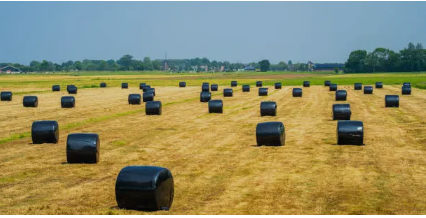
In Australia’s agricultural sector, the environmental impact of traditional plastic bale wraps has become a pressing concern. As farmers strive to balance productivity with sustainability, the adoption of eco-friendly bale wrap solutions is gaining momentum. Eco-friendly bale wrap is transforming how Australian farmers manage silage and hay, providing a practical means to protect livestock feed while reducing plastic waste. This article explores the innovative approaches and emerging technologies that are redefining bale wrapping practices nationwide.
The Environmental Challenge of Traditional Bale Wraps
Australia’s expansive farms rely heavily on plastic bale wraps to preserve silage and hay, which are essential for feeding livestock year-round. While effective for maintaining feed quality, these plastic wraps pose a serious environmental problem. They are typically single-use and can take centuries to break down in landfills. In many cases, improperly disposed of wraps end up in waterways, harming wildlife and ecosystems. Farmers and environmental advocates alike are increasingly aware of these consequences, prompting the search for sustainable alternatives that maintain the utility of traditional wraps without the long-term ecological cost.
Landfill-Biodegradable Bale Wraps: A Step Towards Sustainability
Innovations in biodegradable materials have emerged as a key solution to the environmental challenges posed by conventional bale wraps. Landfill-biodegradable bale wraps are designed to decompose significantly faster than traditional plastics. Unlike ordinary plastic, these wraps incorporate additives that accelerate breakdown under landfill conditions. Farmers can use them in the same way as conventional wraps, applying them with existing baling equipment, while reducing environmental impact. These wraps retain their strength and protective qualities during use, ensuring feed is preserved effectively before decomposition begins after disposal.
Landfill-biodegradable bale wraps are increasingly being adopted in Australia’s dairy, beef, and sheep farming sectors. By integrating these wraps into everyday operations, farmers can reduce long-term accumulation of plastic waste while continuing to manage their livestock feed efficiently. This innovation represents a significant step forward in marrying practicality with sustainability in agricultural practices.
Compostable Bale Wraps: Integrating Sustainability into Farming Practices
Compostable bale wraps take sustainability a step further by offering a wrap that naturally breaks down into the soil. Unlike landfill-biodegradable wraps, which rely on landfill conditions to decompose, compostable wraps are designed to degrade into organic matter under composting conditions. This process can enrich soil rather than simply eliminating waste, creating an environmentally regenerative cycle.
Compostable bale wraps are engineered to withstand the rigours of baling and storage while ensuring that, once applied to composting systems or soil, they break down within a matter of months. This approach aligns with Australia’s increasing focus on sustainable agriculture and resource management. Farmers adopting compostable wraps can actively reduce plastic waste on their properties and contribute to soil health, turning a necessary farming tool into a sustainable asset.
Edible Bale Wraps: Redefining Waste in Agriculture
A more radical innovation is the development of edible bale wraps. These wraps are made from natural fibres, such as jute, and are safe for livestock to consume if accidentally ingested. Edible bale wraps eliminate the need for disposal altogether, addressing one of the key environmental challenges posed by traditional plastics.
In addition to being safe for animals, edible bale wraps are biodegradable and can also serve as an additional nutrient source, although this varies depending on the material used. While still in the early stages of adoption in Australia, edible wraps offer a glimpse into the future of agricultural sustainability, where the tools used in farming operations contribute to environmental regeneration rather than degradation.
Overcoming Challenges in Adopting Eco-Friendly Bale Wraps
Despite the clear environmental benefits, several challenges remain in the widespread adoption of eco-friendly bale wraps. Cost is one significant factor; biodegradable, compostable, and edible wraps generally cost more than conventional plastic alternatives. Farmers must balance the upfront expense against long-term environmental and operational benefits.
Additionally, not all regions have access to the infrastructure required for composting or the proper disposal of these materials, which can limit the effectiveness of these eco-friendly solutions. Education and support from agricultural organisations, manufacturers, and government programs are crucial to overcoming these barriers.
Looking Ahead: The Future of Bale Wraps in Australia
The future of bale wrap in Australia is clearly moving towards sustainable alternatives. Ongoing research into new materials, improved production methods, and increased availability is making eco-friendly bale wrap more accessible and practical for farmers of all sizes. As public awareness of environmental issues grows, consumer and market demand for sustainably produced agricultural goods will also increase, incentivising broader adoption.
Collaboration between farmers, manufacturers, and policymakers will be essential in developing supportive infrastructure and regulations. By combining innovation, education, and incentives, Australia can achieve a more sustainable, responsible agricultural system in which eco-friendly bale wrap is the standard rather than the exception.
Conclusion
Australia’s agricultural sector stands at a crossroads, with the opportunity to lead in sustainable farming practices by adopting eco-friendly bale wraps. By embracing innovations such as landfill-biodegradable, compostable, and edible wraps, farmers can significantly reduce their environmental footprint while maintaining the quality and efficiency of their feed storage.
The shift to eco-friendly bale wrap represents not just an environmental imperative but a strategic investment in sustainable agriculture. As these technologies continue to evolve, they will play a pivotal role in shaping a greener, more responsible future for Australian farming.