
In the realm of industrial operations, particularly within sectors like food processing, pharmaceuticals, and logistics, the management of complex industrial refrigeration systems is crucial. These systems are not only essential for preserving perishable goods but also for maintaining optimal conditions that comply with stringent regu latory standards. As technology continues to evolve, the integration of Internet of Things (IoT) devices has revolutionised how these refrigeration systems are monitored and controlled, offering unprecedented levels of efficiency, reliability, and proactive maintenance.
Understanding Complex Industrial Refrigeration Systems
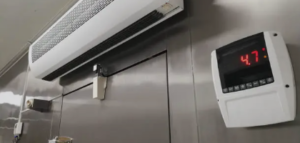
Complex industrial refrigeration systems are characterised by their scale, diversity of cooling needs, and the necessity for precise temperature control across multiple zones or facilities. These systems often comprise interconnected networks of compressors, condensers, evaporators, and piping, spanning large areas or multiple sites. The challenge lies in maintaining uniform temperatures, ensuring energy efficiency, and promptly detecting and addressing any malfunctions to prevent costly downtime or product loss.
Traditional Challenges and Limitations
Historically, monitoring and controlling such systems relied heavily on manual inspections and periodic checks by maintenance personnel. This approach, while effective to a certain extent, posed limitations in terms of real-time visibility into system performance, early fault detection, and the ability to make timely adjustments in response to changing operational conditions.
Enter IoT: Transforming Monitoring and Control
The advent of IoT technology has brought about a paradigm shift in how complex industrial refrigeration systems are managed. IoT involves the use of interconnected sensors, actuators, and devices that gather and transmit data over the Internet, enabling remote monitoring, analytics, and control. In the context of industrial refrigeration, IoT solutions offer several transformative benefits:
Real-Time Monitoring and Data Analytics
IoT-enabled sensors placed strategically throughout the refrigeration system continuously collect and transmit data on crucial parameters such as temperature, pressure, humidity, and energy consumption. This real-time data is aggregated and analysed using advanced analytics algorithms to provide actionable insights into system performance. Operators can monitor key metrics through intuitive dashboards, allowing them to detect anomalies or deviations from optimal conditions promptly.
Proactive Maintenance and Predictive Analytics
One of the significant advantages of IoT in industrial refrigeration is its capability for predictive maintenance. By analysing historical data patterns and employing machine learning algorithms, IoT systems can predict potential equipment failures before they occur. This proactive approach minimises unplanned downtime and extends the lifespan of critical components by enabling timely repairs or replacements. Predictive maintenance also contributes to overall operational efficiency and cost savings.
Enhanced Energy Efficiency and Sustainability
Energy consumption is a major concern in industrial refrigeration due to its significant operational costs and environmental impact. IoT solutions help optimise energy usage by identifying opportunities for efficiency improvements. For instance, real-time data analytics can highlight areas of energy wastage or inefficiency, allowing operators to adjust settings, schedule maintenance during off-peak hours, or even implement dynamic control strategies based on fluctuating energy prices. By reducing energy consumption, organisations can achieve sustainability goals while lowering operational expenses.
Remote Monitoring and Control
IoT technology facilitates remote monitoring and control capabilities, enabling operators to manage complex refrigeration systems from anywhere with internet access. This capability is particularly beneficial for multinational corporations or businesses with geographically dispersed facilities. Operators can remotely monitor multiple sites, implement standardised operating procedures, and respond swiftly to alarms or alerts without the need for on-site presence, thereby improving operational agility and responsiveness.
Compliance and Reporting
Adherence to strict compliance standards is non-negotiable in regulated industries such as food and pharmaceuticals. IoT solutions automate compliance monitoring by continuously recording and storing data related to temperature, humidity, and other critical parameters. This data can be accessed in real-time or retrieved for audit purposes, ensuring that organisations effortlessly meet regulatory requirements.
Conclusion
In conclusion, IoT represents a transformative force in the realm of complex industrial refrigeration, offering unparalleled benefits in terms of real-time monitoring, proactive maintenance, energy efficiency, compliance, and operational flexibility. By harnessing the power of interconnected devices and advanced analytics, organisations can not only enhance the reliability and efficiency of their refrigeration systems but also achieve significant cost savings and sustainability goals. As technology continues to evolve, the integration of IoT is set to redefine the future of industrial refrigeration management, paving the way for smarter, more resilient, and environmentally responsible operations.