
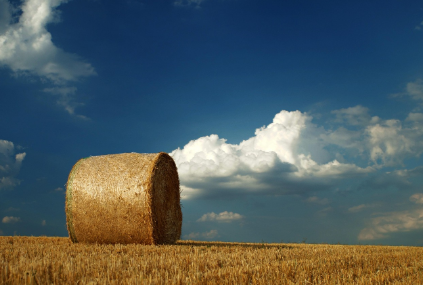
Efficient forage preservation is critical for Australian livestock producers, especially in dairy and beef operations where seasonal variability affects feed supply. A properly executed bale wrapping system using silage film can significantly improve feed quality, reduce spoilage, and enhance overall farm productivity.
This silage film packing guide is designed specifically for Australian farming conditions, where heat, humidity, and long storage periods can challenge traditional silage methods. By understanding correct wrapping techniques, material selection, and storage practices, farmers can dramatically extend feed shelf life while minimising losses.
Understanding Silage Film and Its Role in Feed Preservation
Silage film is a multi-layer polyethylene stretch wrap used to seal forage bales in airtight conditions. Its primary function is to prevent oxygen ingress, which is the main cause of spoilage in stored silage. In Australia, where temperature fluctuations and UV exposure are significant, selecting the right film is not optional—it is essential.
High-quality silage film ensures:
● Anaerobic fermentation for optimal preservation
● Reduced mould and yeast growth
● Protection against UV degradation
● Improved palatability for livestock
Australian farms, particularly in New South Wales, Victoria, and Queensland, rely heavily on round bale silage systems, making film performance a critical input cost factor.
Step 1: Selecting the Right Silage Film for Australian Conditions
Choosing the correct silage film is the foundation of successful bale preservation. Not all films are created equal, and Australian environmental conditions demand higher durability standards.
Key selection factors include:
● UV resistance: Essential for long-term outdoor storage under intense sun exposure
● Stretch capacity: Typically 50–70% pre-stretch for optimal sealing
● Layer count: 5 to 7 layers offer better oxygen barrier protection
● Thickness: 25 microns is standard for most Australian applications
● Colour: White or green films help reduce heat absorption
Farmers should also consider compatibility with their wrapping machines to ensure consistent tension and overlap during application.
Step 2: Bale Preparation Before Wrapping
Before applying silage film, proper bale preparation is essential to prevent punctures and ensure airtight sealing.
Best practices include:
● Ensuring forage moisture is between 40%–60%
● Compacting bales tightly to remove excess air pockets
● Avoiding sharp stubble or debris on bale surfaces
● Wrapping within 2 hours of baling to preserve fermentation quality
In Australian grazing systems, delays between baling and wrapping often lead to dry matter losses. Rapid handling is particularly important during hot summer conditions.
Step 3: Correct Wrapping Techniques for Maximum Efficiency
Proper application of silage film is crucial, as many losses can occur if it is not done correctly. The goal is to create a fully sealed anaerobic environment.
Key wrapping guidelines:
● Apply a minimum of 6 layers for Australian outdoor storage
● Maintain 50% overlap between layers
● Keep consistent tension throughout the wrapping process
● Avoid wrapping in windy or excessively dusty conditions
● Ensure bale ends are fully covered, as these are high-risk oxygen entry points
Modern Australian farms often use automated bale wrappers, which improve consistency and reduce labour costs.
Step 4: Storage Practices for Australian Climate Conditions
Even with high-quality silage film, improper storage can compromise feed quality. Australian climates vary widely, so storage strategy matters.
Recommended practices:
● Store bales on well-drained, level ground
● Avoid direct contact with rocks or sharp surfaces
● Keep bales away from livestock movement zones
● Stack in a single layer when possible to reduce pressure damage
● Inspect regularly for punctures caused by birds or rodents
In coastal regions, high humidity increases the risk of fermentation imbalance, while inland farms must manage extreme heat exposure.
Step 5: Common Mistakes in Silage Film Packing
Many Australian producers experience silage losses due to avoidable errors. Understanding these can significantly improve outcomes.
Frequent issues include:
● Under-wrapping (insufficient film layers)
● Delayed wrapping after baling
● Poor overlap during application
● Using damaged or low-grade film
● Improper bale density leading to oxygen pockets
Each of these mistakes reduces the effectiveness of the silage film, increasing spoilage rates and feed costs.
Step 6: Maximising Feed Quality Through Proper Fermentation
The ultimate goal of using silage film is to achieve controlled fermentation. When oxygen is excluded, beneficial lactic acid bacteria thrive, preserving nutrients.
Signs of successful silage include:
● Sweet, slightly acidic smell
● Greenish-yellow colouration
● Soft but firm texture
● Minimal mould presence
Poor fermentation often results in dark colouration, foul odour, and reduced livestock intake.
Step 7: Environmental and Cost Considerations in Australia
Australian farmers are increasingly focused on sustainability. While silage film is a plastic product, advances in recycling programs are helping reduce environmental impact.
Key considerations:
● Use recyclable film where available
● Participate in agricultural plastic recovery programs
● Optimise wrapping efficiency to reduce excess material use
● Select high-performance film to reduce total consumption over time
Although premium films cost more upfront, they often reduce long-term feed wastage, making them more economical overall.
Conclusion
A well-executed silage system using high-quality silage film is essential for maintaining feed security across Australian livestock operations. From selecting the right film type to proper bale handling, wrapping technique, and storage practices, every step influences final feed quality.
By following this silage film packing guide, Australian farmers can reduce spoilage, improve nutrient retention, and maximise the value of their forage investment year-round.