
In Australia’s vast and often unpredictable agricultural landscape, protecting harvested hay and silage is a top priority for farmers. Net wrap has become a preferred solution for securing bales, reducing spoilage, and ensuring feed quality throughout the storage period. By using the right wrapping techniques and materials, farmers can significantly cut losses, improve efficiency, and maximise returns. With the right approach, bale protection goes beyond just preservation—it becomes a strategic investment in farm productivity.
Understanding the Australian Challenge
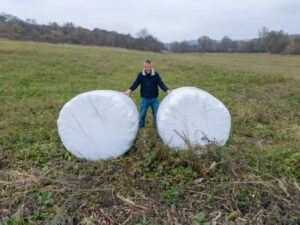
Australia’s climate poses unique challenges for bale storage. Farmers must contend with scorching summer heat, seasonal rainfall, and, in some regions, high humidity. These conditions accelerate spoilage if bales are not adequately protected. Unwrapped or poorly wrapped bales can suffer from mould growth, nutrient loss, and reduced palatability for livestock.
This is why a strong, UV-resistant net wrap is essential. Unlike traditional twine, net wrap provides complete coverage over the bale surface, minimising exposure to rain, dust, and pests. It not only preserves the nutritional value of the feed but also helps maintain the bale’s structure during handling and transportation.
Choosing the Right Net Wrap for Your Region
Not all wraps are created equal, and in Australia, farmers need to select products suited to their local environment. Coastal areas, for example, face high humidity and salt-laden winds, requiring wraps with enhanced UV protection and durability. In drier inland regions, wraps with strong tear resistance are important to withstand high winds and rough handling.
A premium net wrap designed specifically for Australian farming conditions will usually feature:
- UV stability to endure prolonged sun exposure
- Tight weave patterns for full surface coverage
- High tensile strength to withstand baler tension and transport stresses
- Consistent roll length and width for efficient baling operations
By matching the product to the environment, farmers can significantly extend bale life and reduce waste.
Wrapping Techniques That Improve Bale Protection
Even with a high-quality product, poor wrapping technique can undermine protection. Farmers can improve results by:
- Ensuring Correct Bale Shape – Uniform, dense bales hold their form better, making wrapping more effective.
- Adjusting Baler Tension – Proper tension ensures the wrap sits snugly without overstretching.
- Applying Adequate Layers – In wetter climates, additional layers of net wrap can further shield against moisture.
- Wrapping Immediately After Baling – Delays in wrapping can allow moisture to penetrate and start spoilage before storage.
These small adjustments can result in major improvements to feed quality months down the track.
Storage Strategies to Enhance Wrap Performance
Storage plays a huge role in how well your wrap protects the bale. Even the most advanced netting cannot completely shield bales from prolonged water contact if stored incorrectly. Best practices in Australia include:
- Storing Bales Off the Ground – Using pallets or gravel pads to prevent moisture wicking from soil.
- Orienting Bales Correctly – Placing them with the flat ends touching for a tight seal and minimal water ingress.
- Providing Shade Where Possible – Reducing UV exposure helps maintain both the wrap and the hay’s nutritional integrity.
- Allowing Airflow – Good ventilation prevents mould buildup, especially in humid regions.
By pairing effective wrapping with smart storage, farmers can maximise the lifespan of both the wrap and the feed.
Economic Benefits of Better Bale Protection
Investing in premium wraps and proper storage may seem like an extra cost, but it often results in significant savings. Reduced spoilage means more usable feed per bale, which directly lowers the cost per tonne of stored hay. It also reduces the need for supplementary feeding, saving both time and money.
In many Australian regions, especially those prone to drought, every bale counts. With high-quality net wrap and proper handling, farmers can protect more of their harvest, improve animal nutrition, and maintain better control over feed supplies year-round.
Conclusion: Wrapping as a Strategic Choice
For Australian farmers, bale protection is not just a matter of keeping feed dry—it’s about ensuring that every bale maintains its nutritional value, shape, and usability for as long as possible. With the right combination of quality net wrap, effective wrapping techniques, and smart storage strategies, farmers can meet the challenges of the Australian climate head-on.
Ultimately, bale protection is a strategic investment that supports farm profitability, animal health, and operational efficiency. In a country where weather extremes are the norm, making the most of every bale is not just wise—it’s essential.